
When Does Renovating All at Once Make Sense
There are two different ways to approach a home renovation: all at once, or piece by piece.
We recently wrote about the phased renovation process, and its pros and cons. But almost as often we get homeowners who are looking to do a major whole-home renovation in one fell swoop. While this approach is not for everyone, it does have its advantages for the right type of client.
Who a whole-home renovation is best for:
Homeowners who have a clear, distinct vision of what they want from the get-go
Homeowners who want this to be their “forever” home and aren’t worried about recouping every cost
Clients who are able to carry the cost of two mortgages or who have a place to live while the construction is underway
Individuals who do not want to live in a construction site or who cannot for work, lifestyle or health reason
Clients who have been through a renovation before and understand the process, time and investment required to get their ideal outcome
Projects in which an addition AND full renovation are being done
For clients who fit these criteria, the pros are plentiful: you move into a practically new home, you don’t endure the construction chaos, and you get to move in and enjoy your home without any home improvement projects hanging over your head.
When a whole-home renovation doesn’t make sense:
The cons are also worth considering, though. With phased renovation projects, homeowners have the chance to live in their home and see what changes will make the most sense and have the biggest payoff. It’s also more affordable and allows families to stay in their home while the work is being done, avoiding the expense of a secondary living situation. So if you don’t have a complete and clear vision of everything you want updated in your house, or you don’t have the budget to move out for several months, a whole-home reno is probably not for you.
Whole Home Renovation Examples
Mooreland Farms
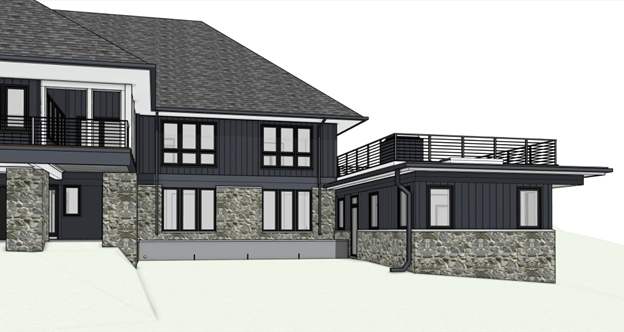
Our most recent whole-home renovation project was completed in the Mooreland Farms neighborhood in 2025. Our clients had purchased the home, which was built in 1983 on a sloping site with lots of trees, back in late 2022. They began working with an architecture firm, but didn’t love how the project was developing, so they reached out to us in late 2023.
The design process took eight months to nail down every single detail including a massive addition with a rooftop deck, new primary suite and full gut renovation of all existing interiors, as well as exterior updates. Construction began in September 2024 and was completed a year later. A timeline that is not for the impatient or faint of heart!
Our design transformed this house from a 3 bedroom, 3 bath to a 5 bedroom, 4 bath, so lots of work was done during that year. Nearly every finish inside and outside the house was original, meaning it was over 40 years old and definitely ready for an update. That being said, there were also lots of great features that we wanted to keep and work around including the field stone on the home’s exterior, a large stone fireplace and original solid wood paneling inside. Updates to the outside of the house included new steps, new paint color, new railings and decking for the back porch and all new windows.
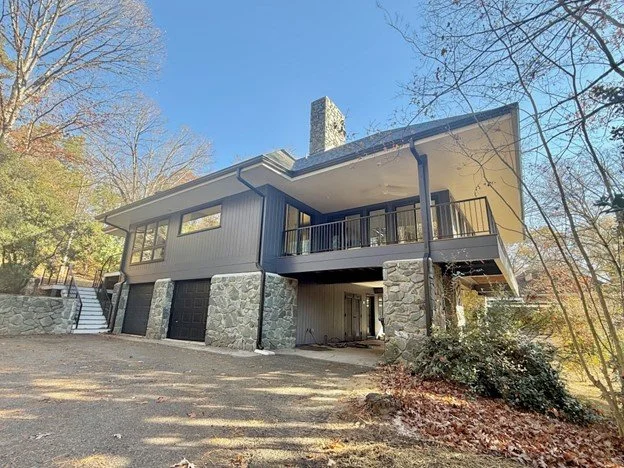
Inside we reoriented the kitchen and opened it up to some other living areas of the house for a more modern layout. A brand new primary suite including a spa-like bathroom retreat with soaker tub, walk-in shower and skylights was constructed in the addition. Above the addition a rooftop deck was created for additional and elevated outdoor living space.
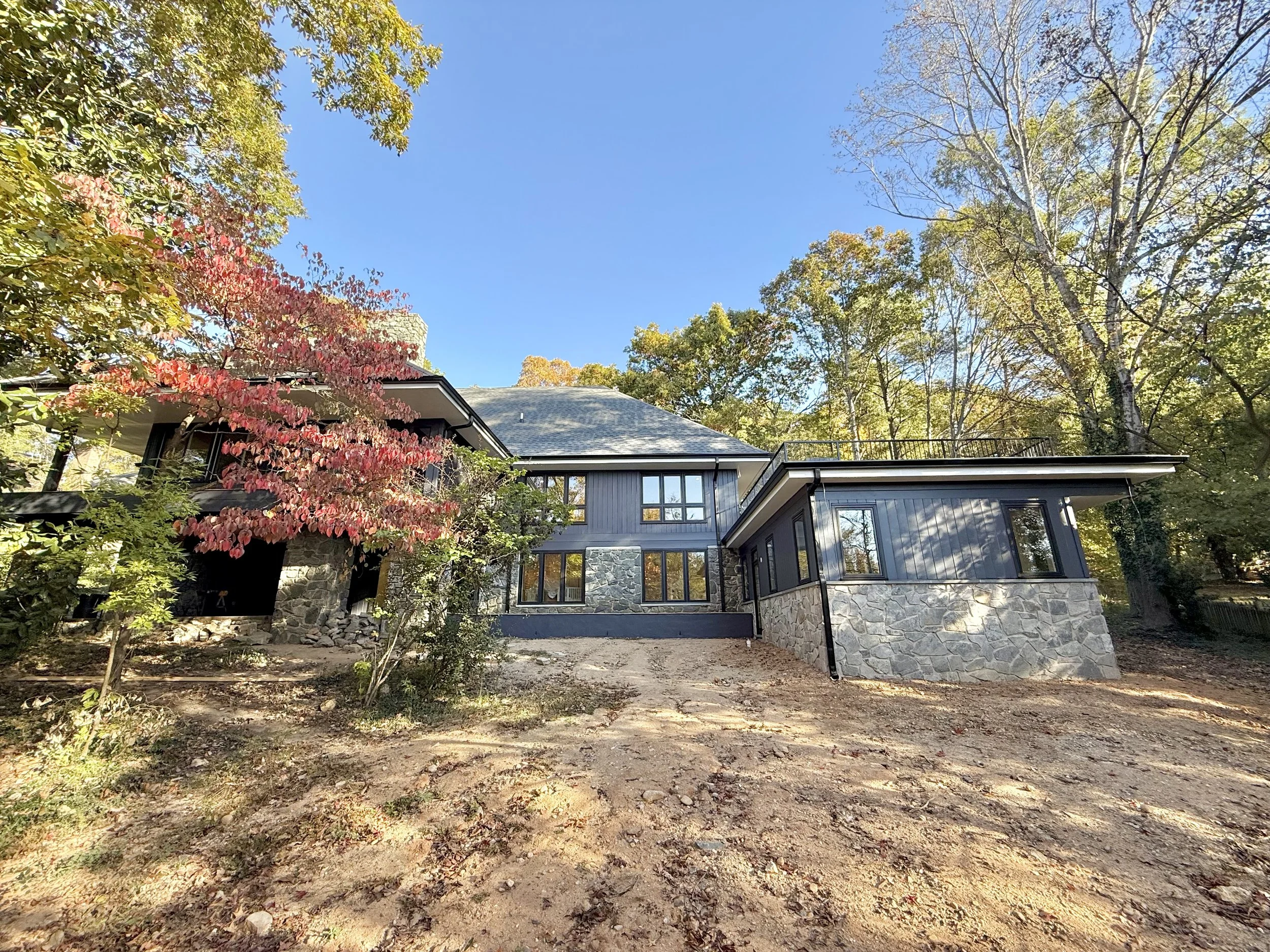
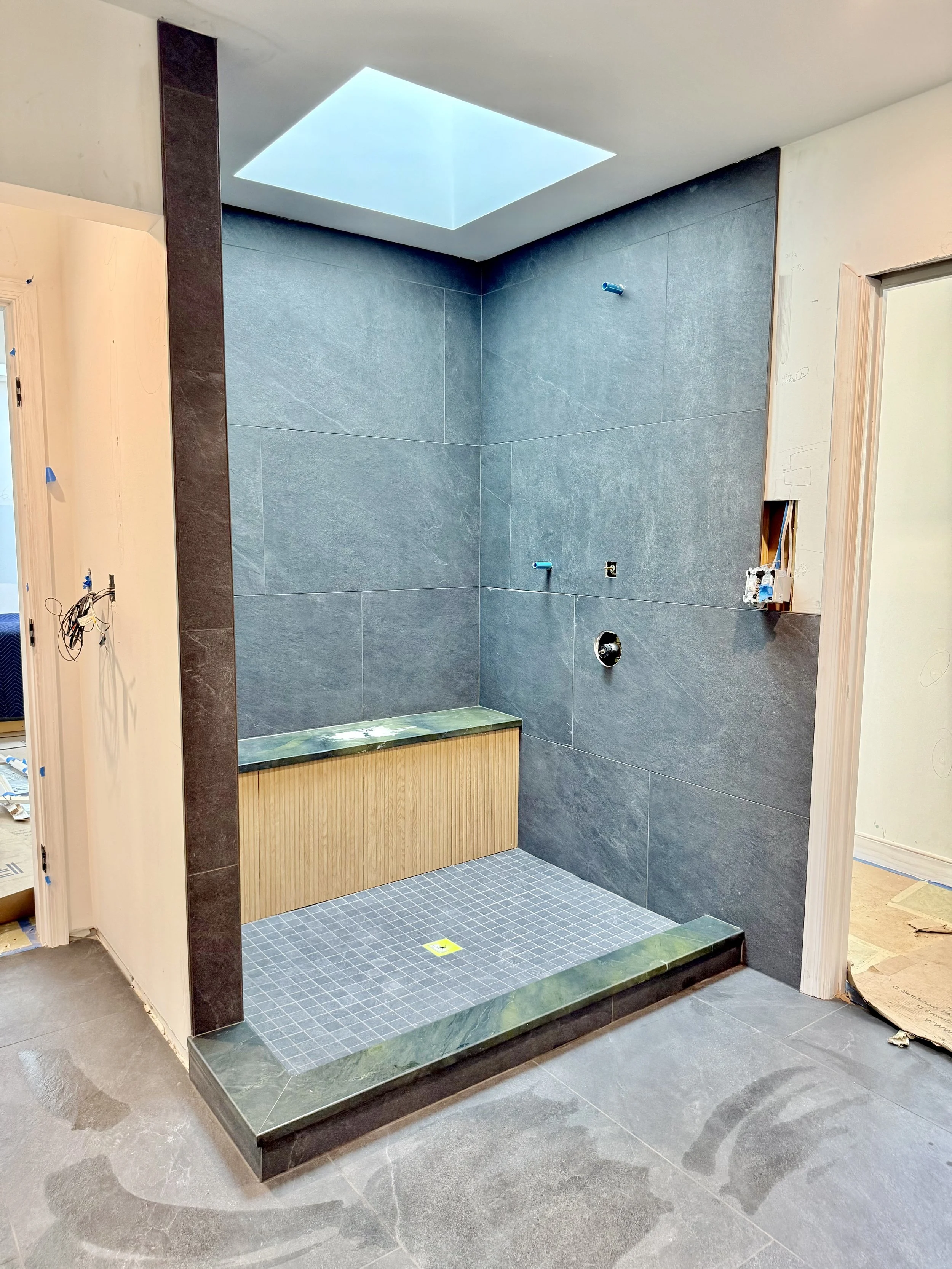
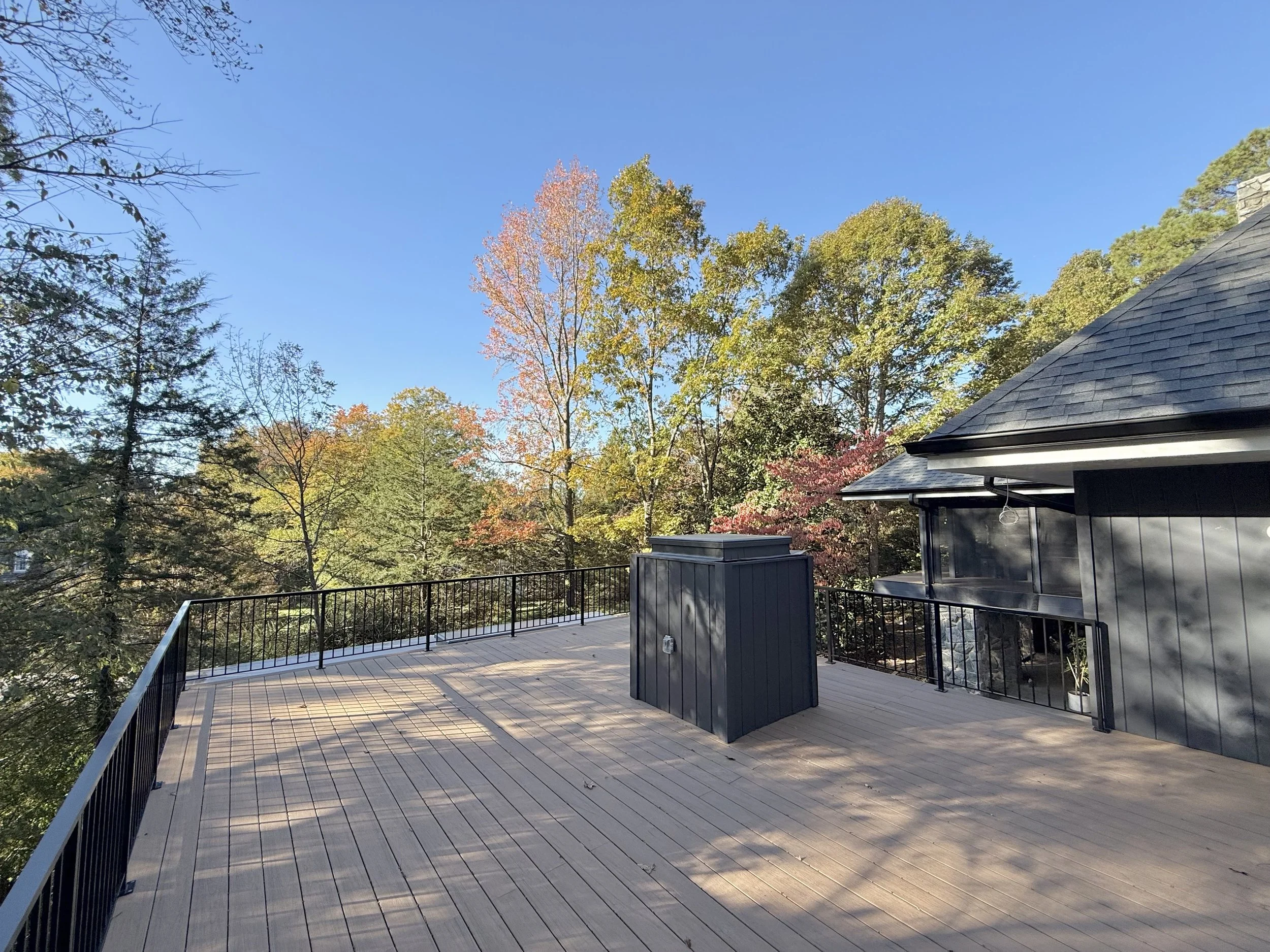
It would have been next to impossible for our clients to live in this space with this level of construction, and if they had, it probably would have taken twice as long to complete. So this was definitely a case where an “all at once” approach made sense.
Hampton Gardens 100 Year Glow Up
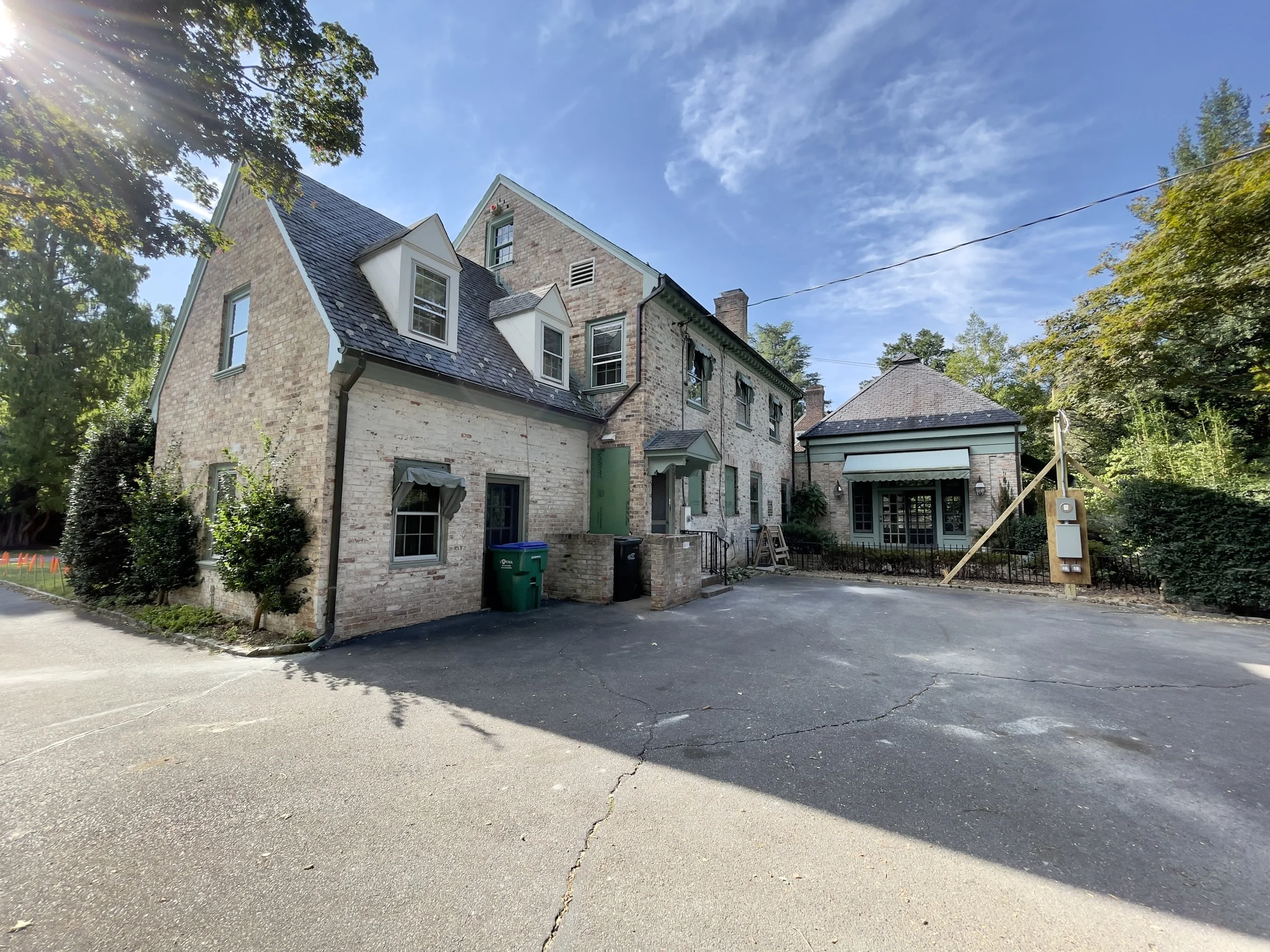
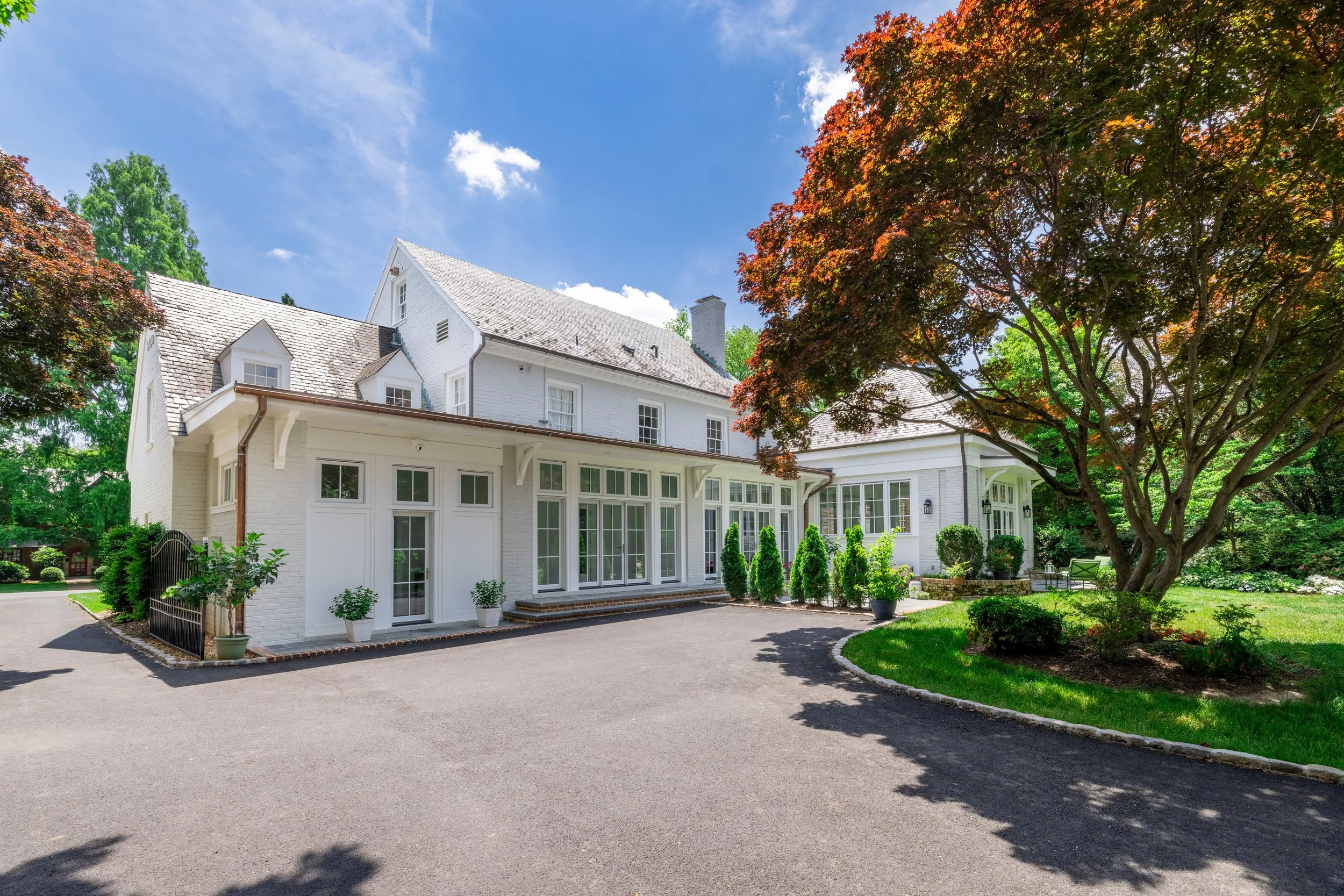
For this 100-year-old home in Hampton Gardens, our clients had a long laundry list of updates that were needed before they could comfortably move in. This included:
A large, open kitchen with island seating and views of the backyard.
A functional mudroom at the backyard entrance.
A luxurious primary suite with an ensuite bath and walk-in closet.
A convenient second-floor laundry.
Ensuite bathrooms for the upstairs bedrooms.
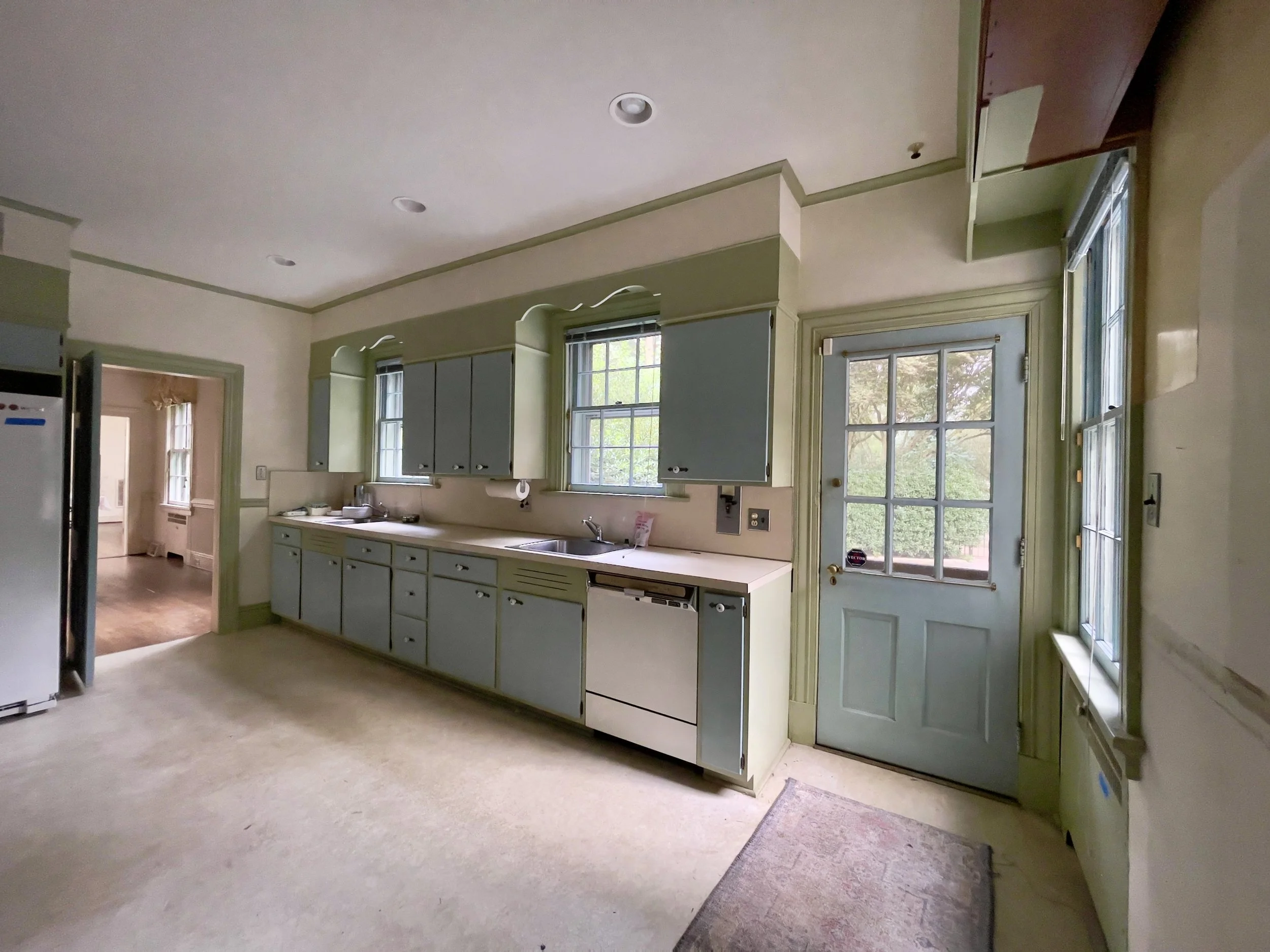
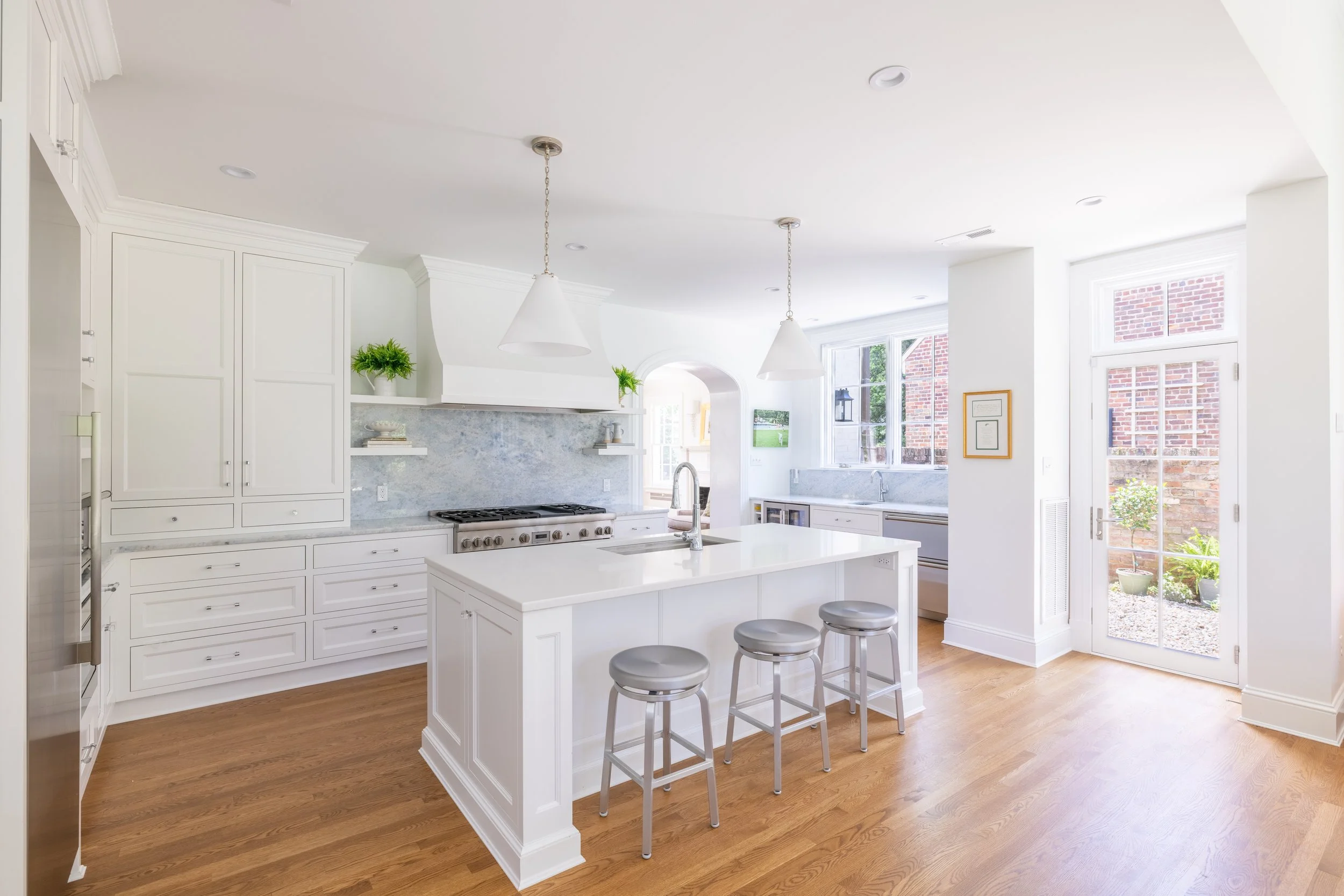
A home of this age also naturally came with outdated systems and inefficiencies. Behind the scenes, we made sweeping upgrades to mechanical systems, insulation, electrical wiring, and plumbing. All things that would have made living in the home during construction untenable.
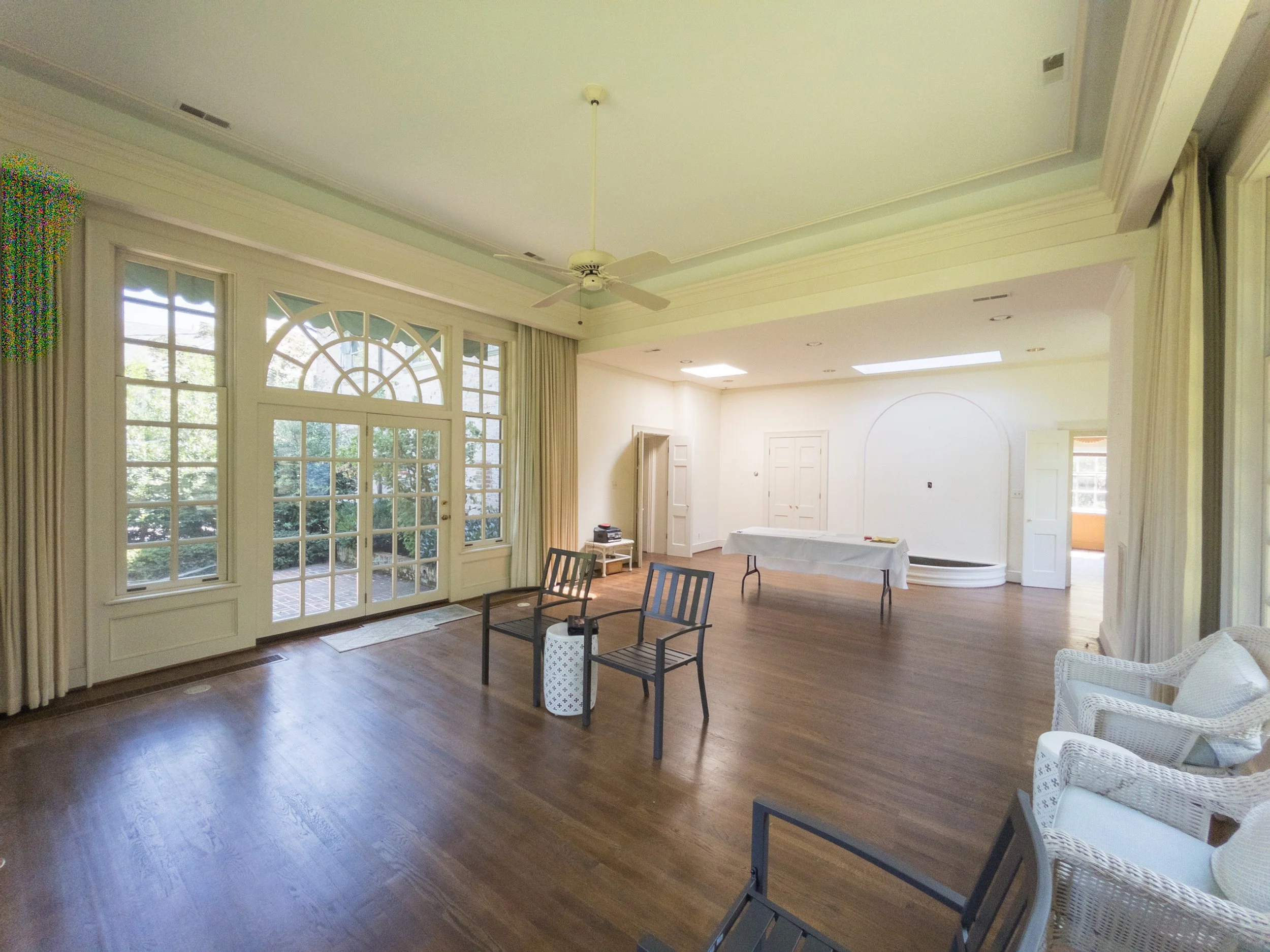
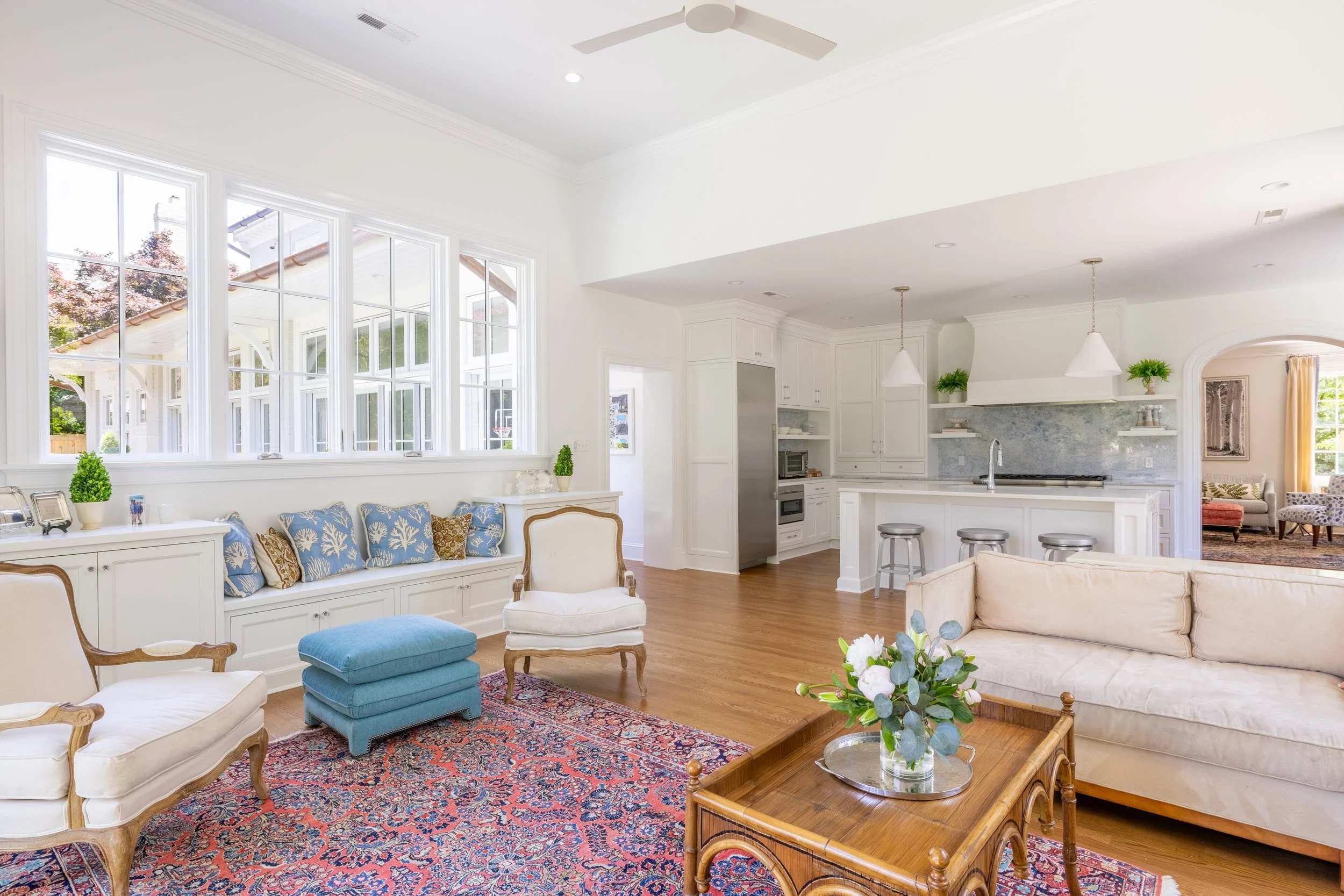
As this was our client’s “forever home” they made plenty of design decisions that suited them best, without being concerned about resale value or what could make sense for someone else in the future. This gave them the creative freedom to make decisions and investments that felt right for them.
Church Hill Old Meets New
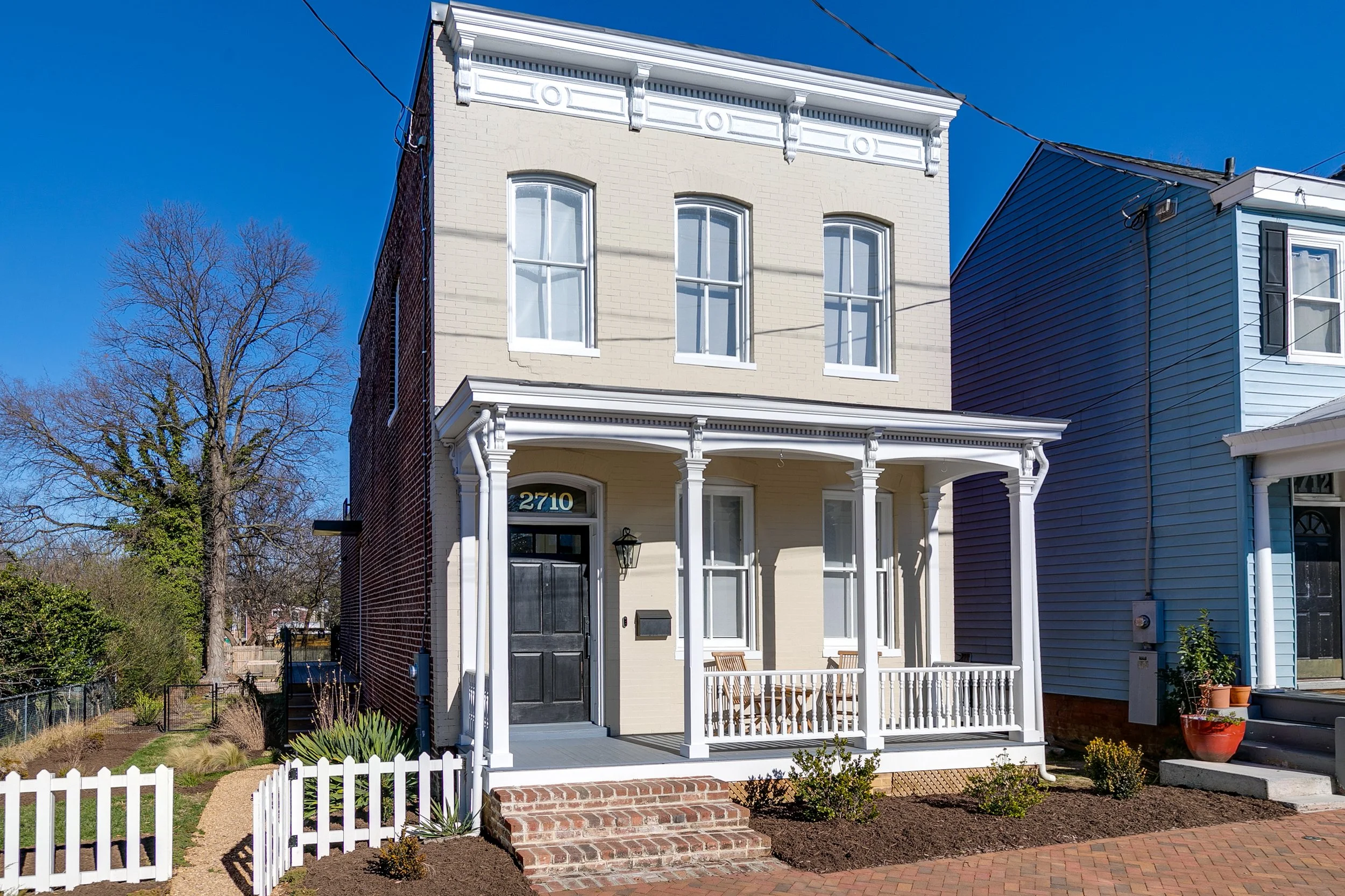
When our clients purchased this historic home in Church Hill, it was next to unlivable. Major construction needed to be done for it to even be a safe place to stay, so the decision was made to get it all over with in one go since the new homeowners had a clear and very unique vision for what the house could be.
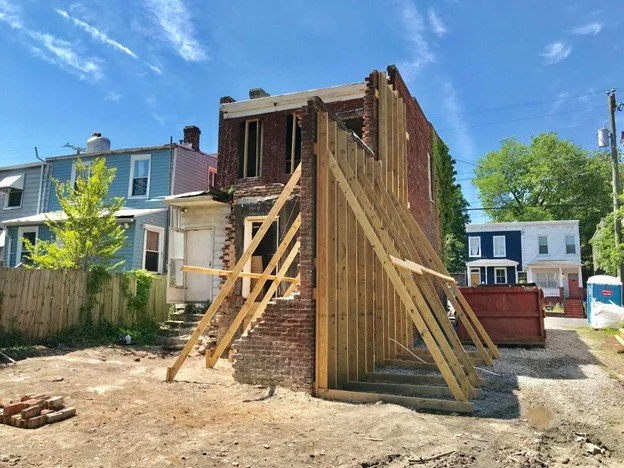
The back of the house became part archeological dig site, part construction zone, as we worked incredibly hard to salvage the original brick exterior wall while also adding a little more square footage.
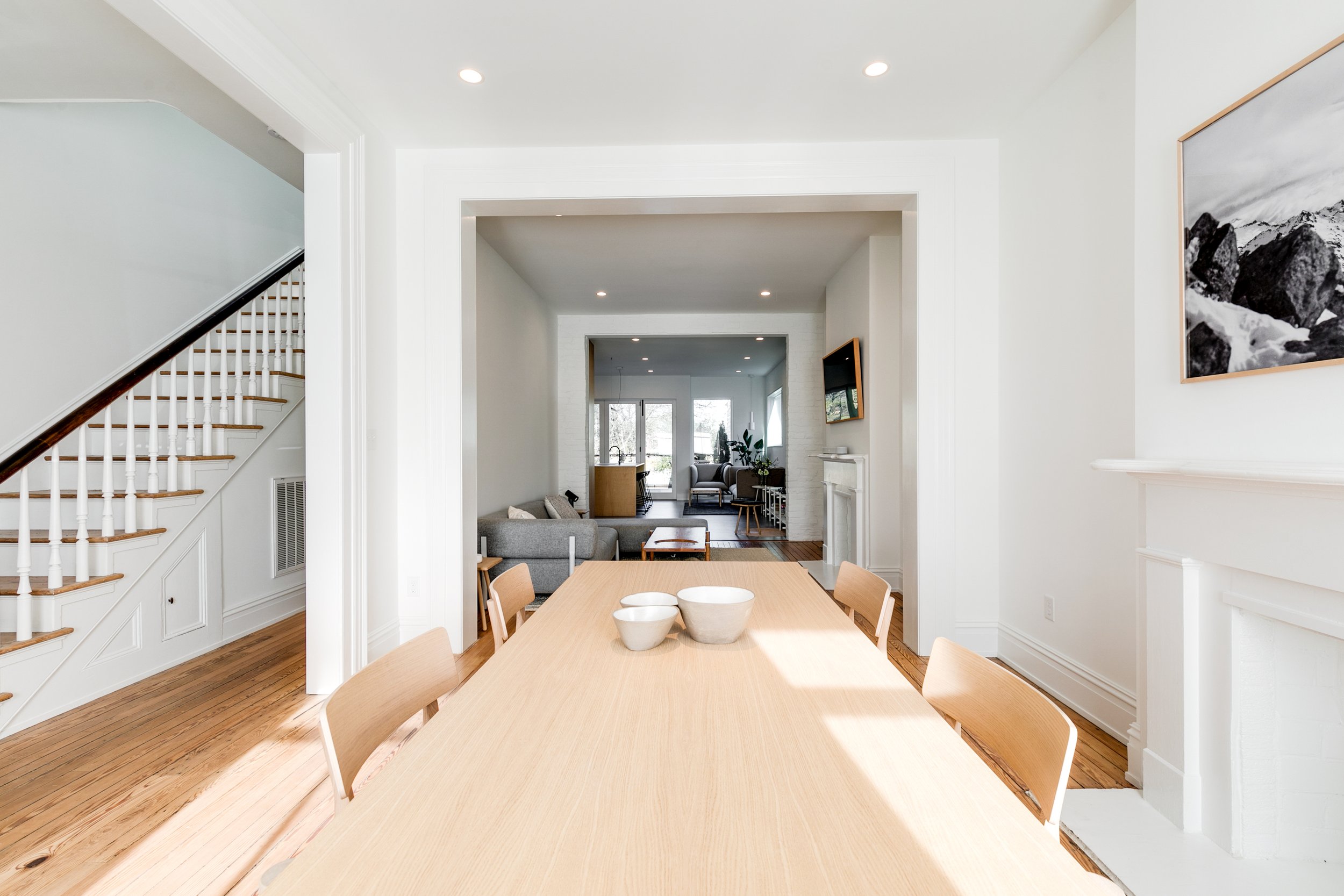
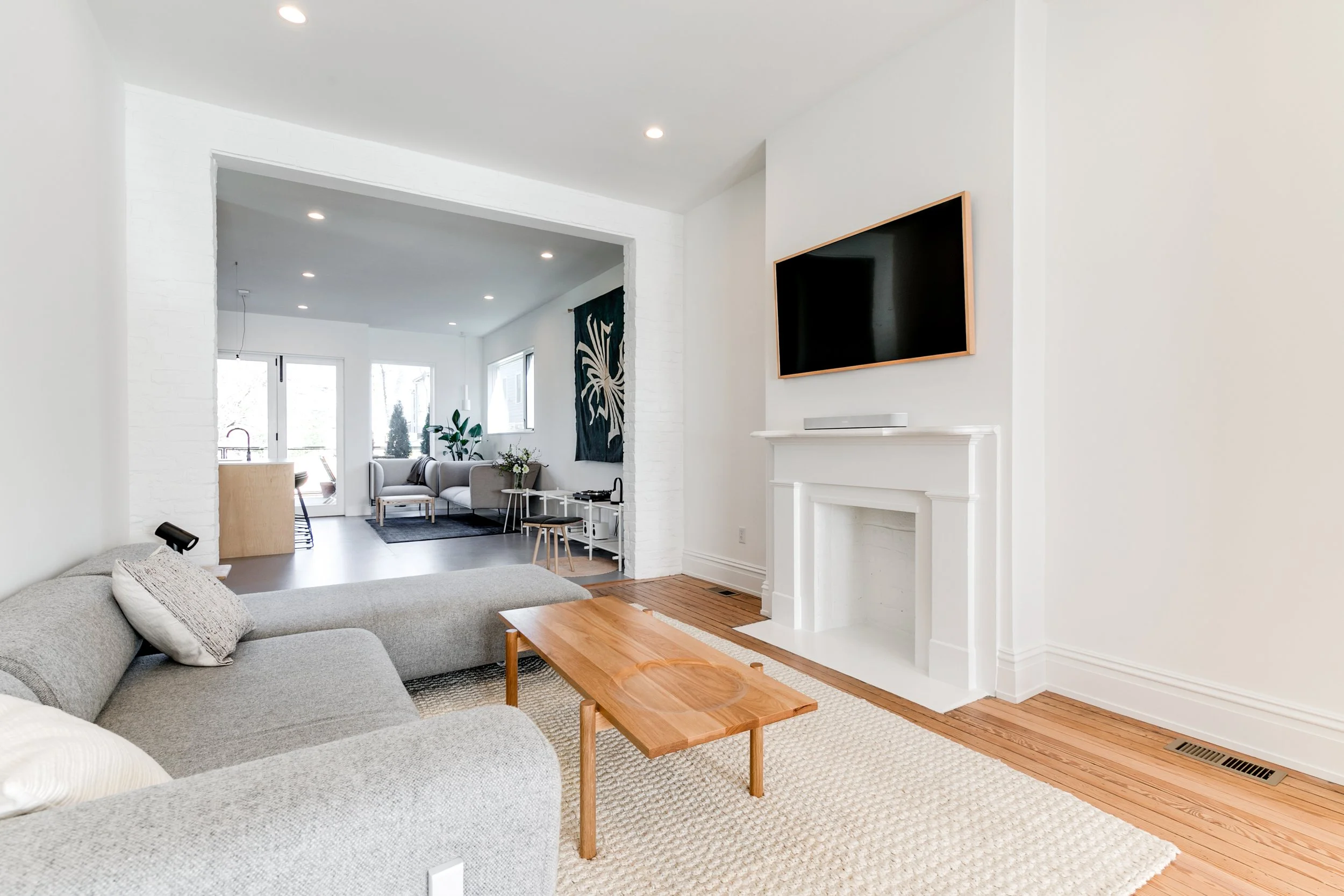
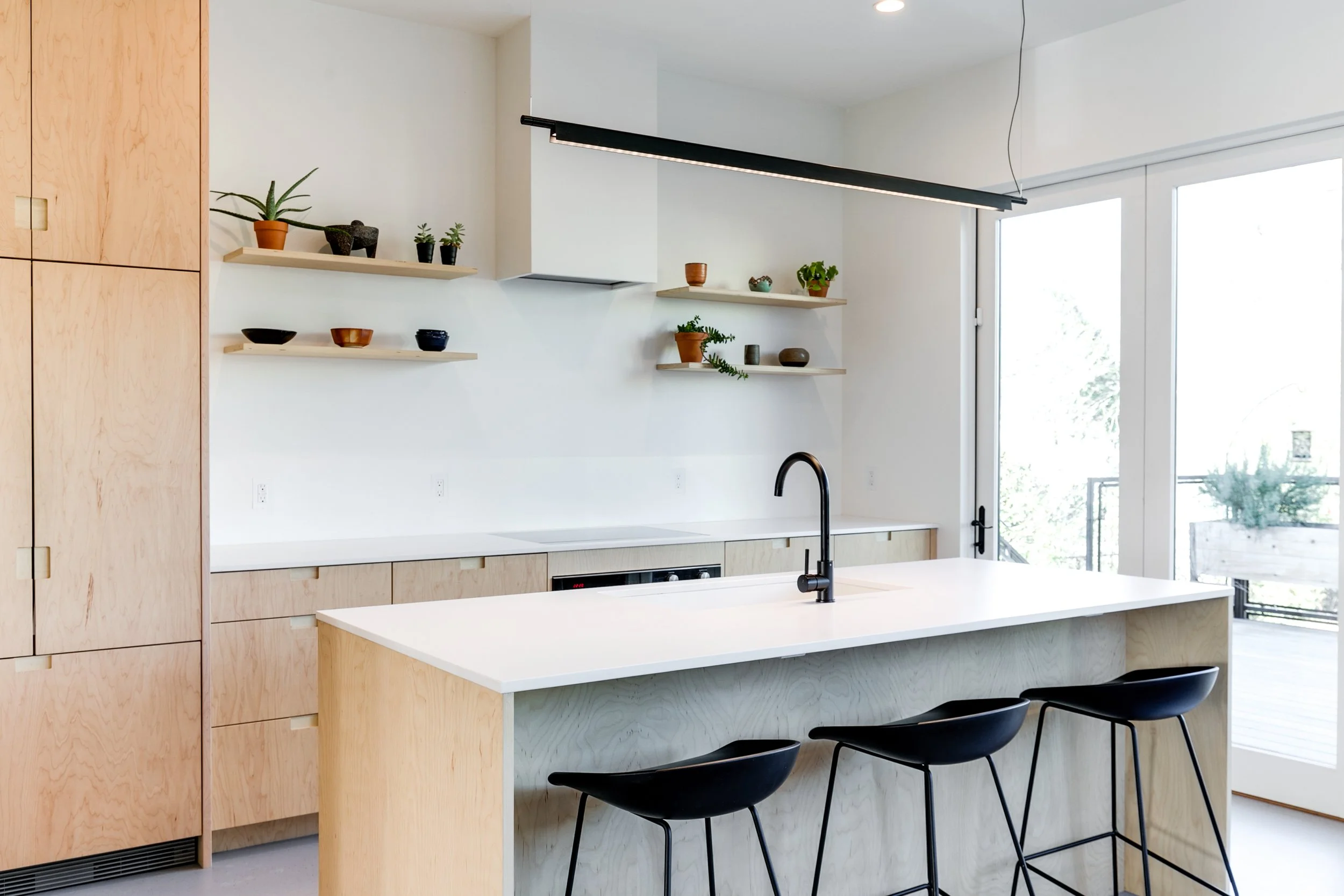
Inside the downstairs was completely renovated and restored, with a brand new kitchen on the back of the house opening up to a large raised deck.
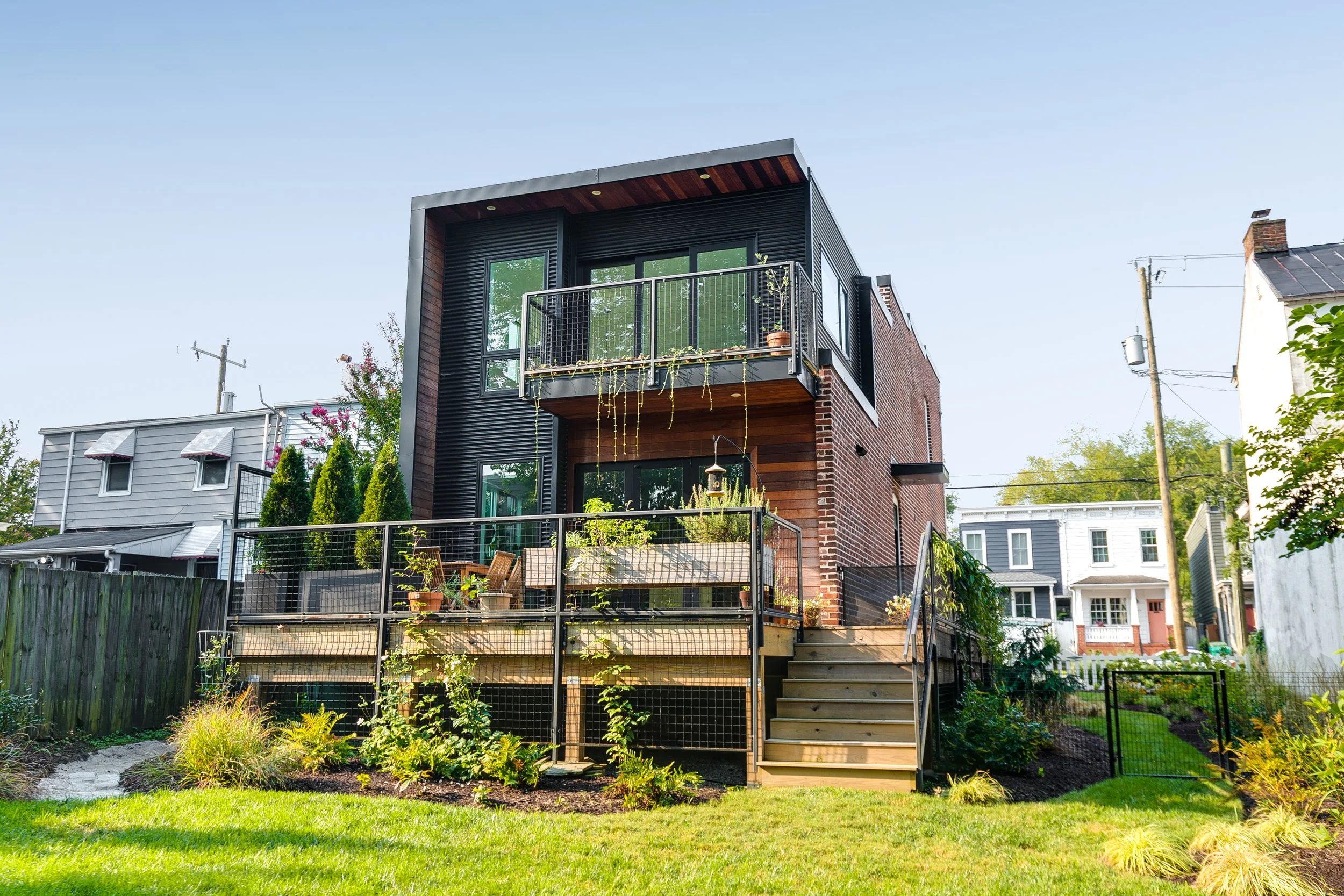
Upstairs historic features of the home were painstakingly restored, while a new primary suite was built to open up to a balcony.
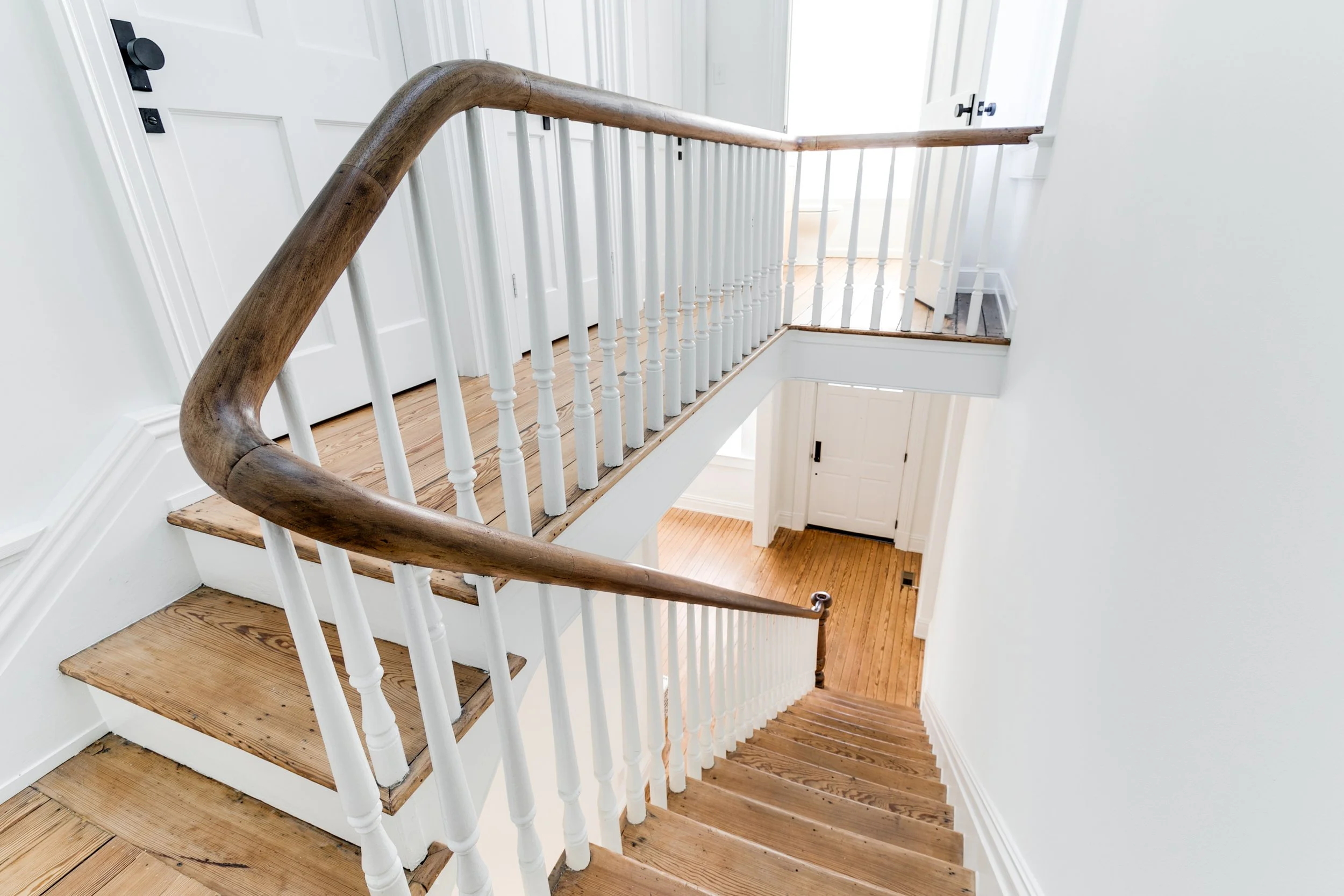
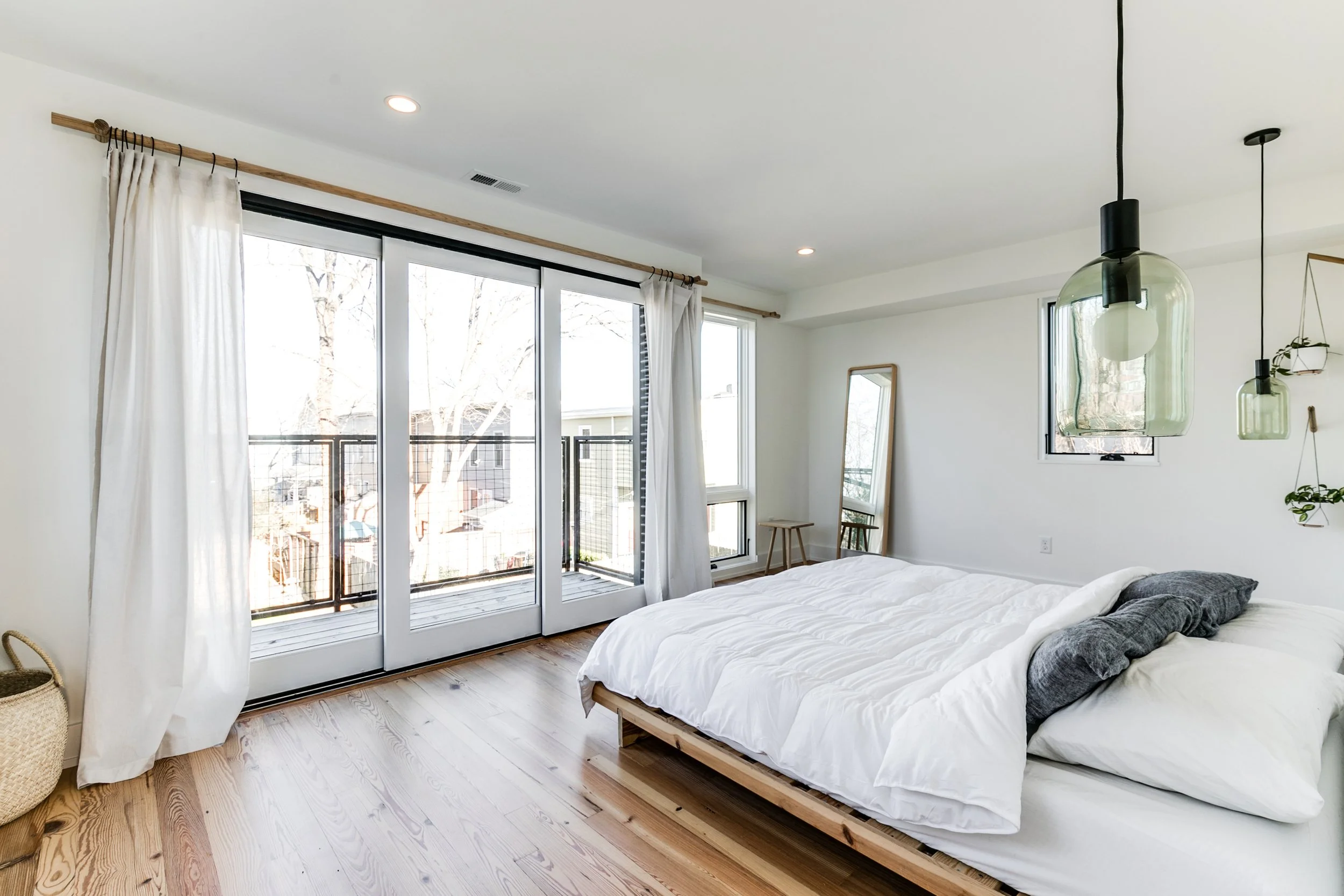
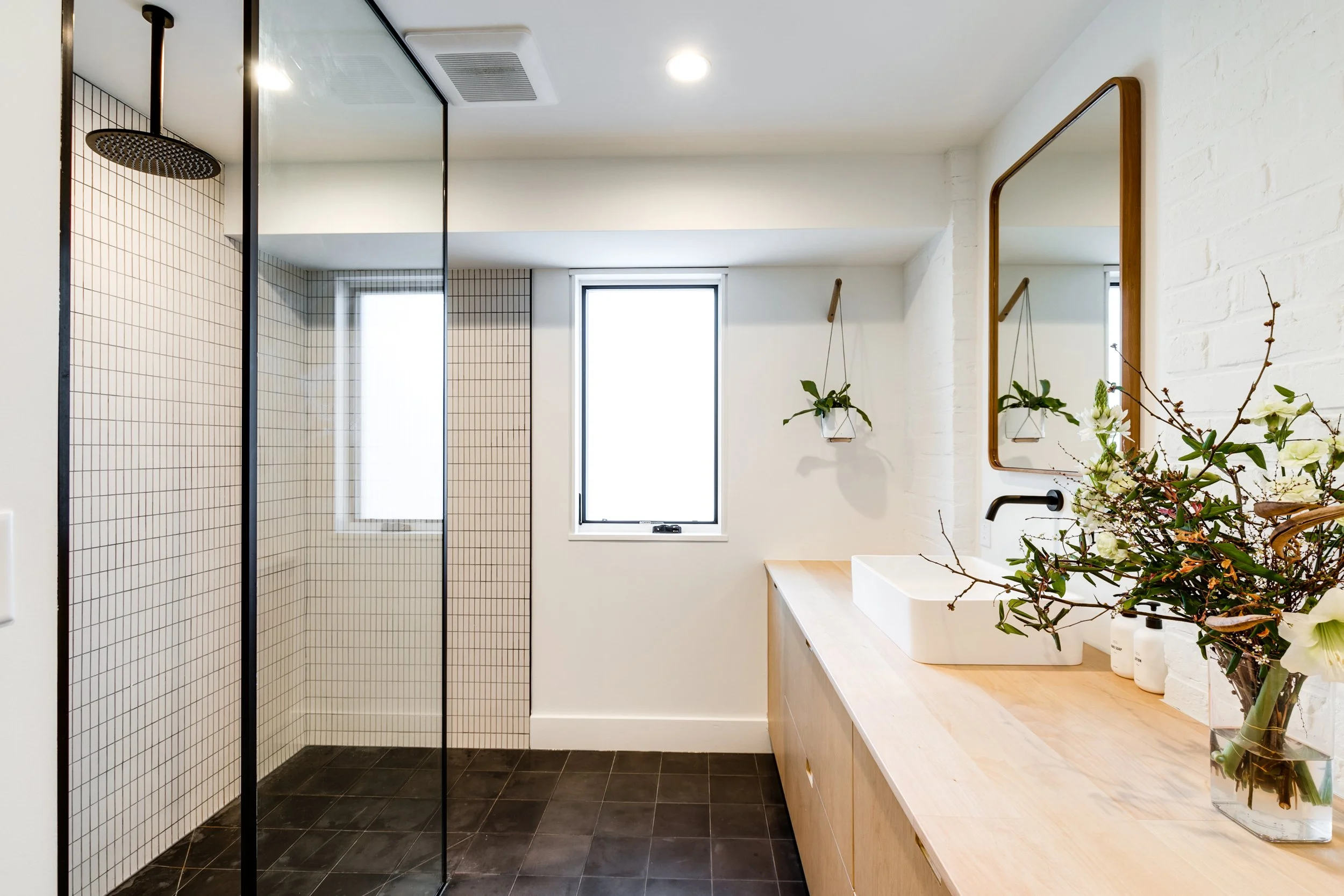
Again, such drastic renovations never would have allowed for anyone to live in the house during the process, and since so much had to be done to be habitable, it made the most sense for these clients to proceed with a full blown renovation.
Modern Makeover
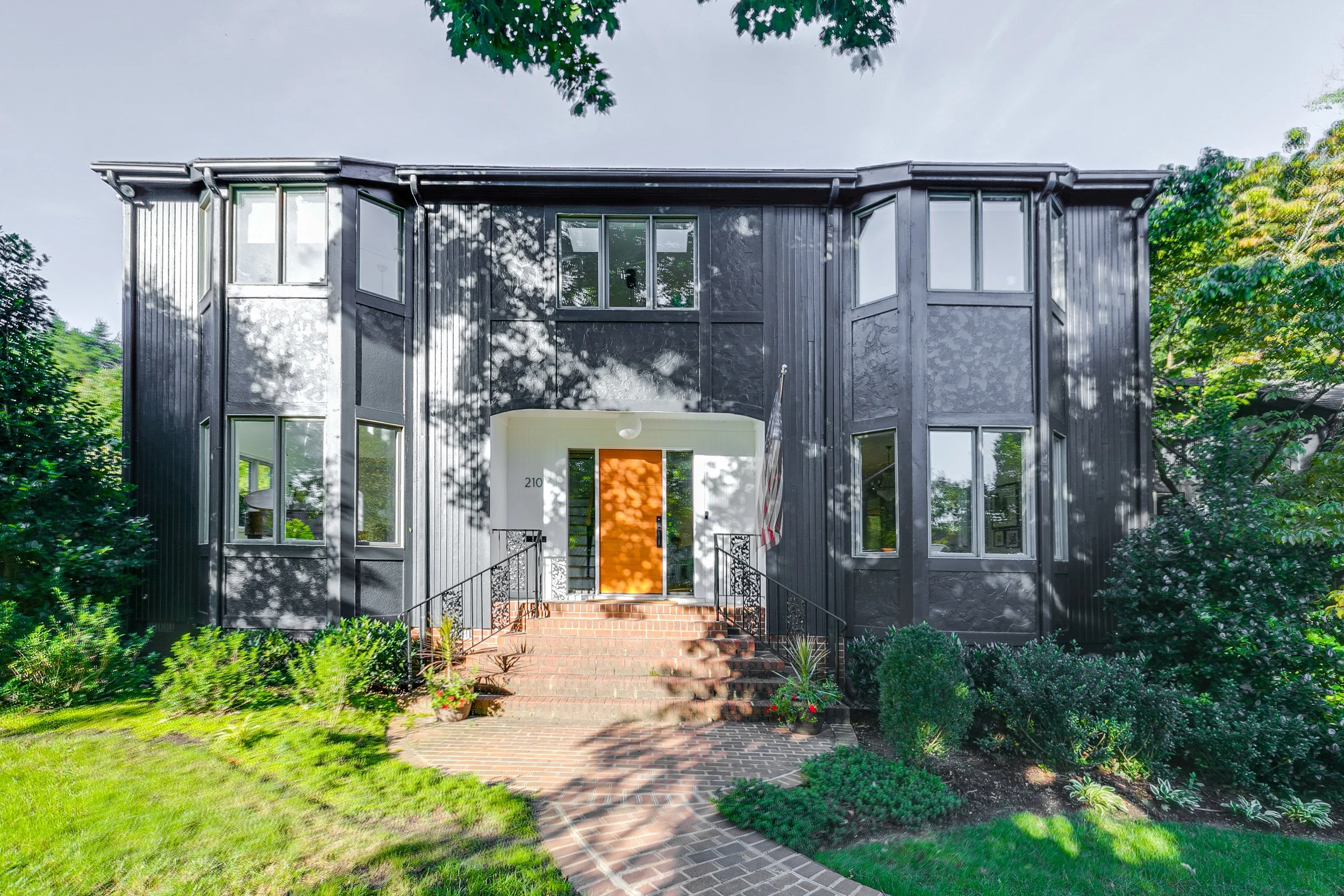
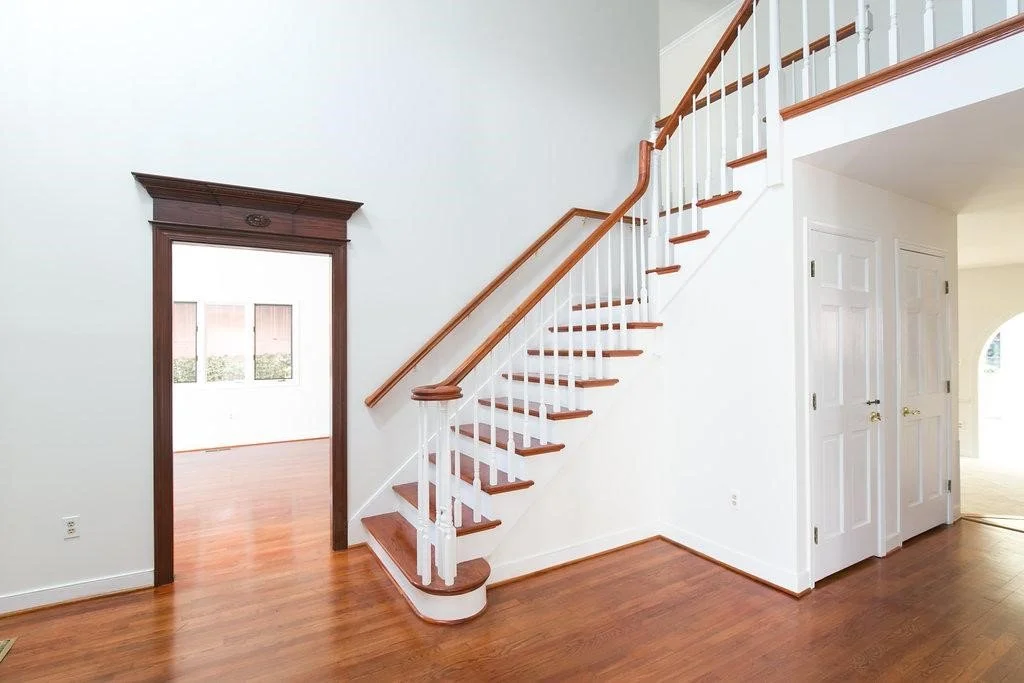
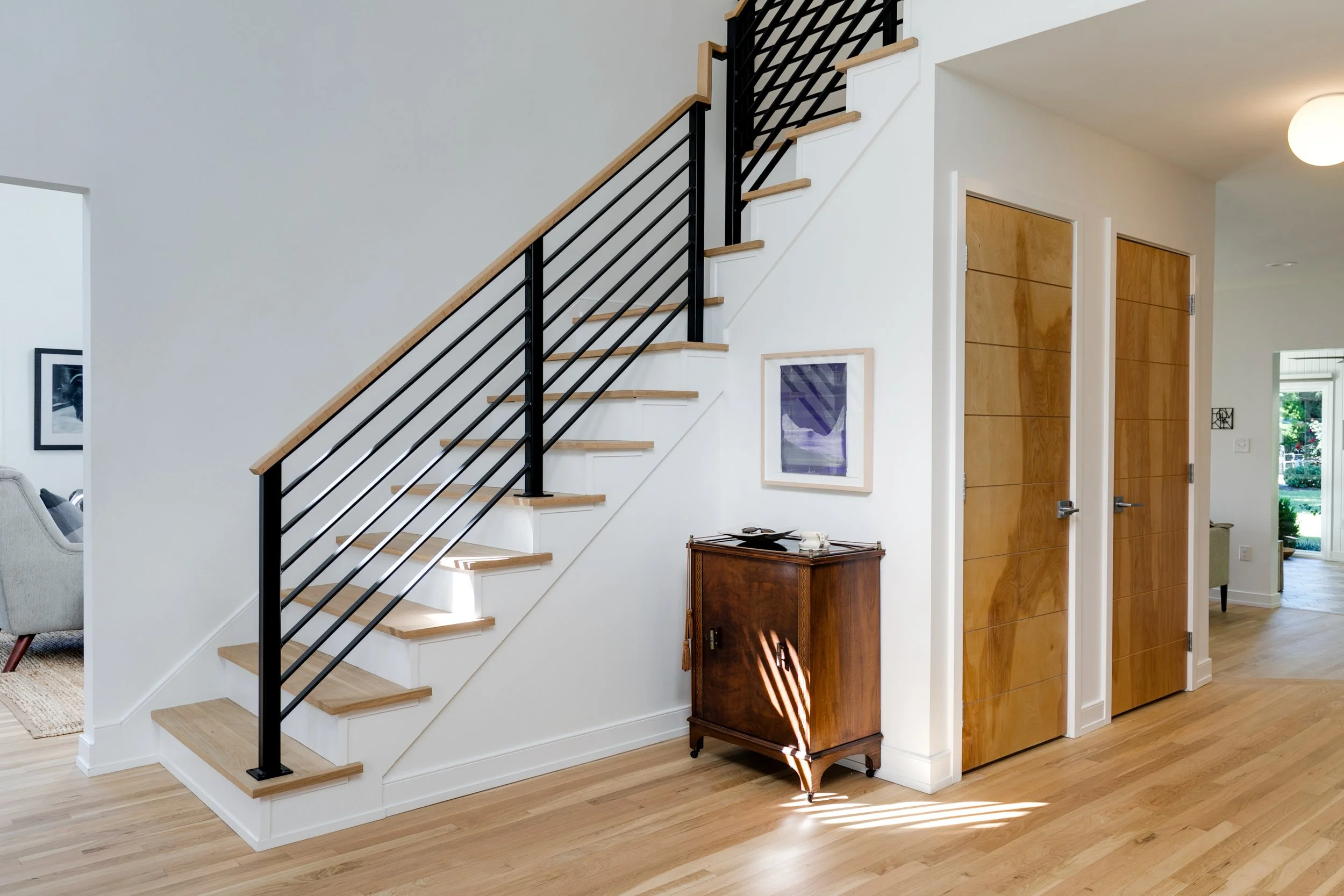
This project is a great example of how a whole home renovation works best for homeowners who have been through phased renovation projects before and know what to expect. These repeat clients had hired us in the past to do a kitchen remodel as well as some other one-off updates to their hundred-year-old previous home. So when they purchased their new home in 2017, they saw the potential in it, but before even pulling the trigger, they called us in to do a walk through with them to ensure the work they envisioned could be done. At that point they trusted our work and we trusted their vision enough to be comfortable tackling everything at once.
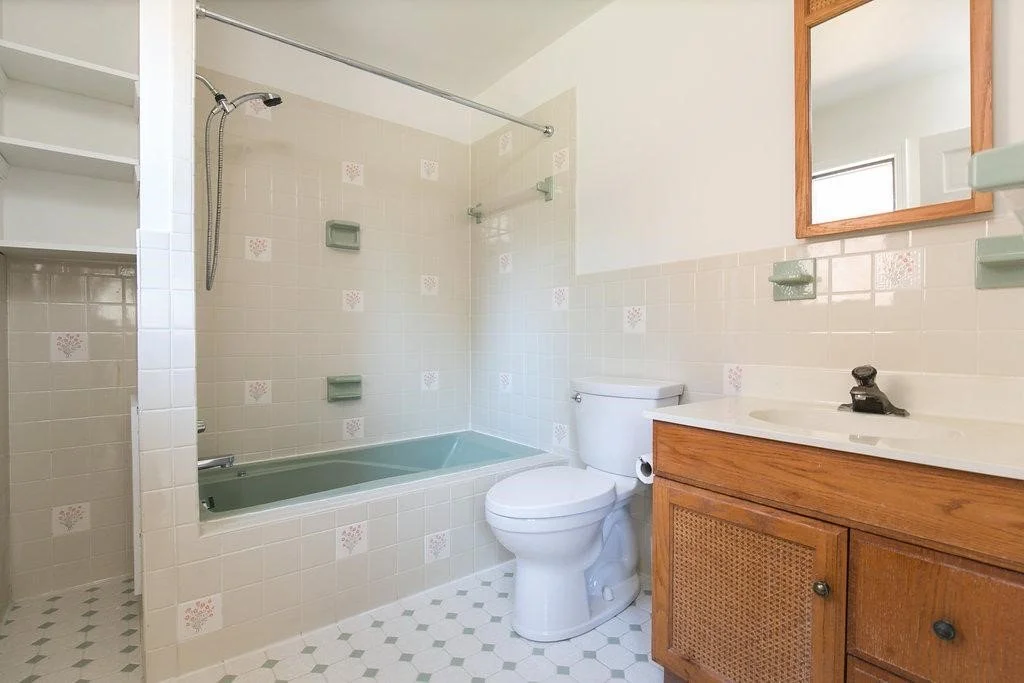
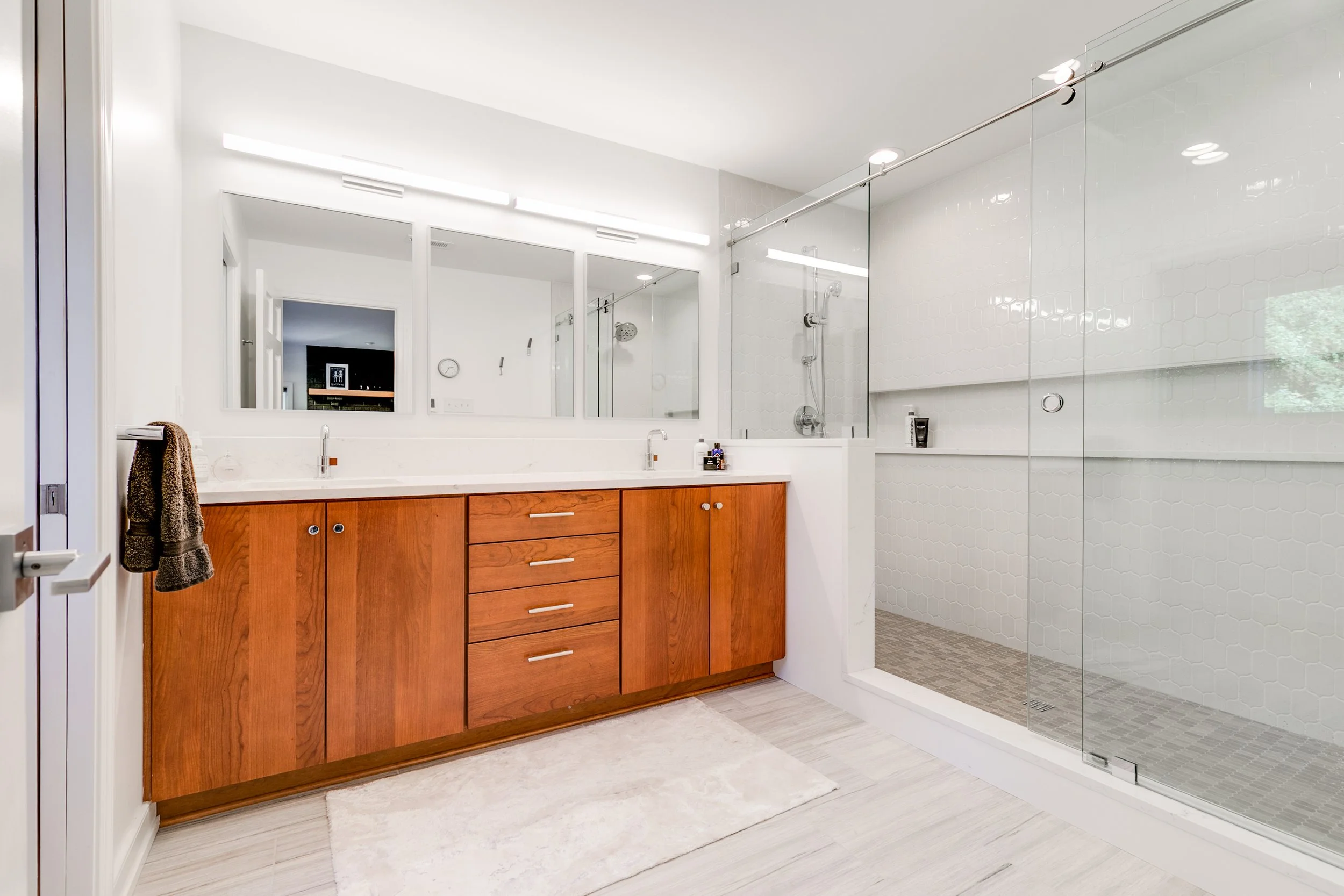
While this home was only built in 1984 and didn’t require the kind of major overhaul the historic homes we work on often do, it did need nearly every surface to be refinished or remodeled in some way.
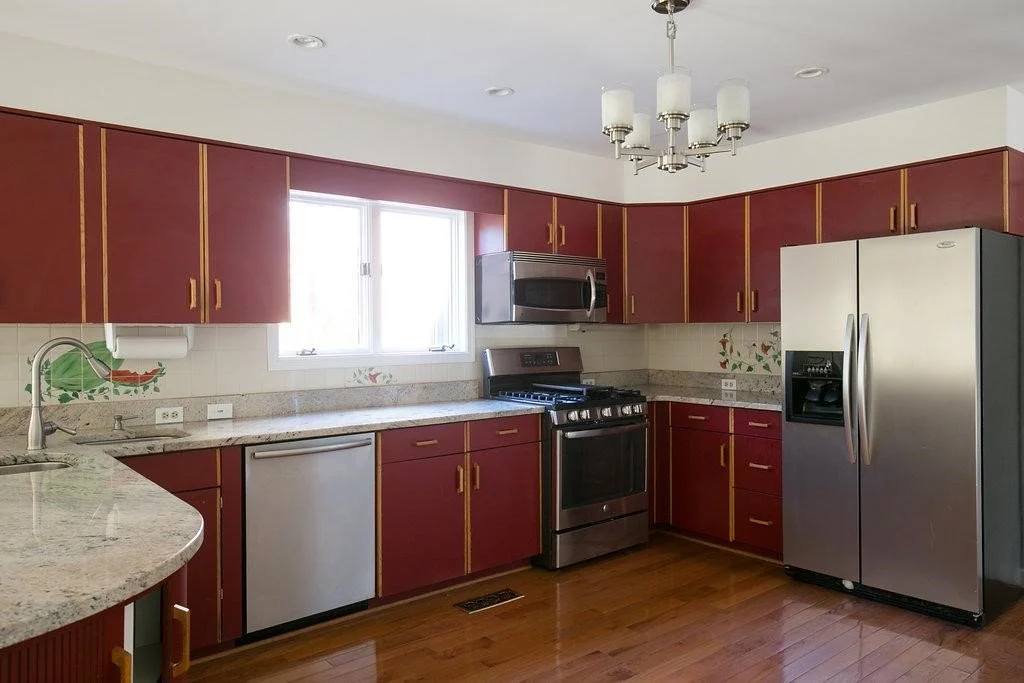
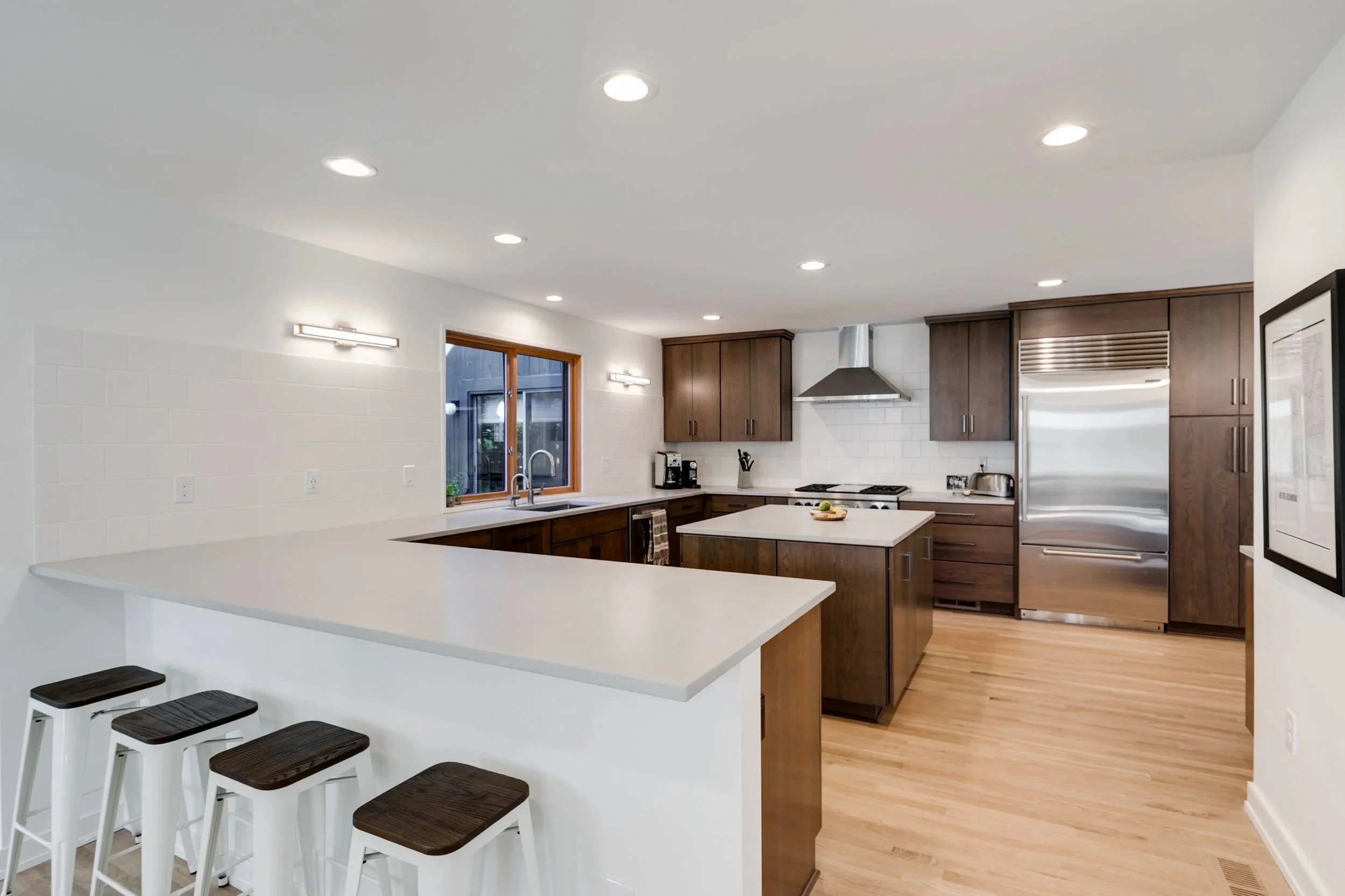
Again, because this client knew their aesthetic well enough, and we had a good working relationship, we were able to sit down and plan out every aspect of the design at once to minimize any delays in the actual construction process. For many homeowners, especially those tackling a renovation for the first time, this level of detail and decision making is overwhelming.
What’s right for you?
So if you’re considering renovating your home, keep in mind the pros and cons of a whole-home versus a phased renovation. Both can work, depending on your circumstances, but it’s always best to know what you’re getting into before the hammers are unholstered!