
Doing Accessory Dwelling Units Right
A Richmond family with a growing household needed a place to park their cars and store the overflow of a busy life. But while they were imagining what might be possible on their West End lot, the city of Richmond approved new zoning codes that allowed for Accessory Dwelling Units (ADU) by right. So their garage started to look a little taller, and a lot more functional for their life. The outcome of the design includes a two-car garage (in the city!) with a fully outfitted ADU above it, all thoughtfully designed to complement their hundred year old home.
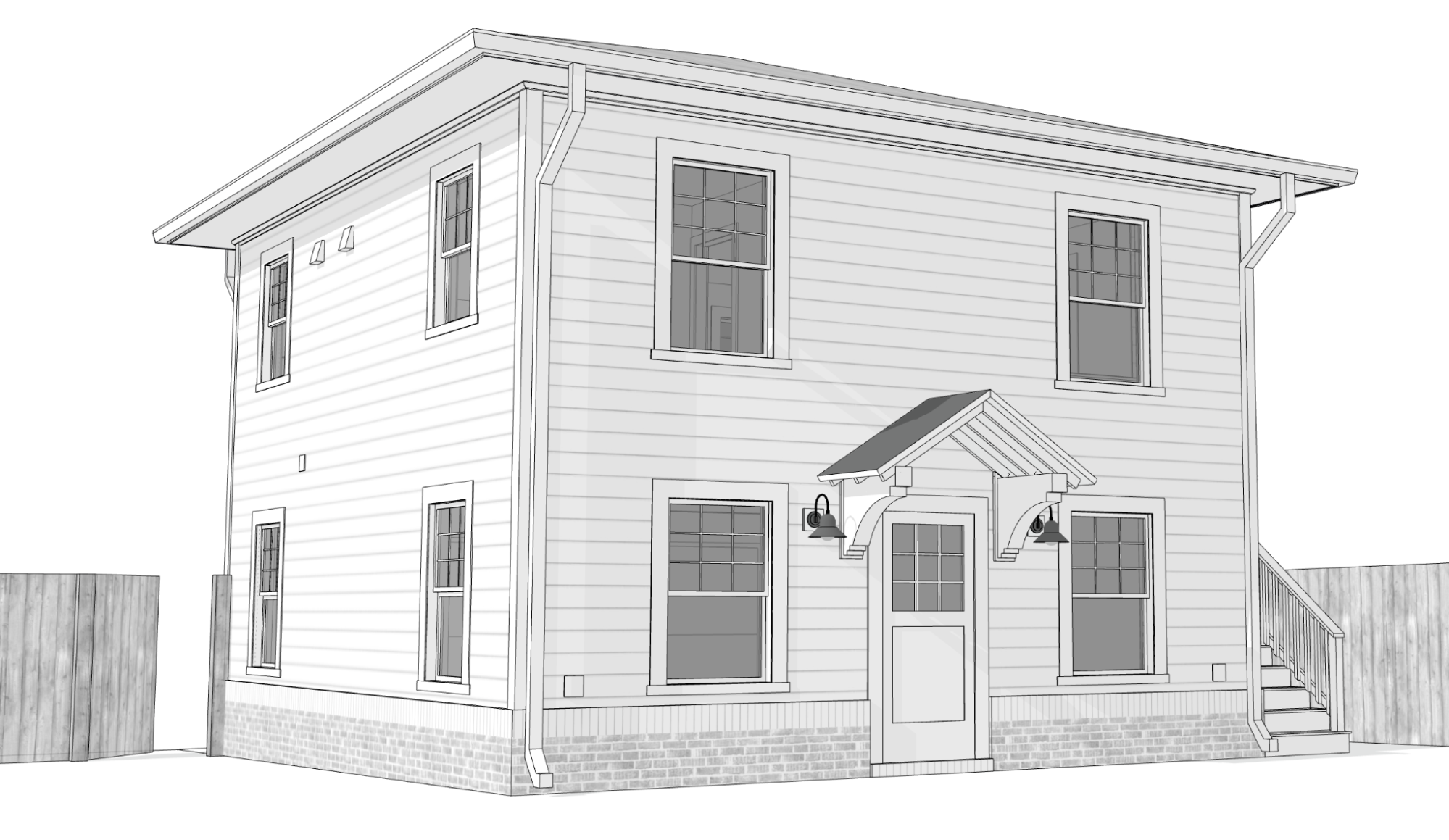
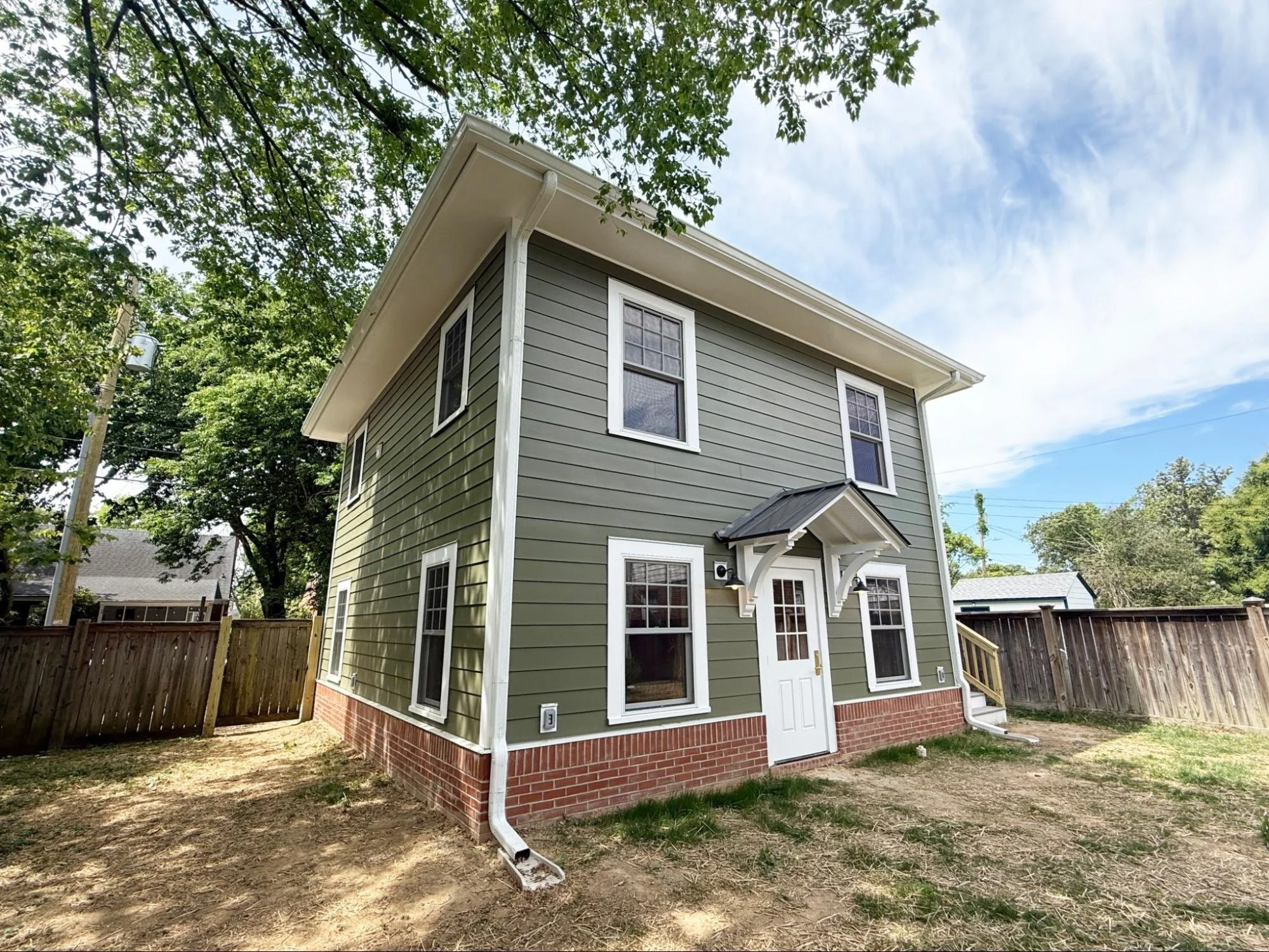
The outside of the new construction ADU
What to Know About ADUs
An Accessory Dwelling Unit (ADU) is a self-contained living space built on the same lot as an existing single-family home. You may have heard them called in-law suites, carriage houses, backyard cottages, or granny flats. Whatever you call them, they have the possibility to transform how a homeowner uses their property.
In Richmond, homeowners can now add an ADU to their property under the city's updated zoning ordinance. A few of the rules: the ADU must share a lot with a single-family home, and the unit's size must be at minimum 500 square feet and can go up to one-third of the floor area of the main dwelling. The momentum for this type of construction is mounting, and Virginia's newly signed SB 531, which takes effect July 1, 2027, will make ADUs a by-right use statewide, requiring all localities to permit them in single-family zones and capping permit fees at $500. Richmond is ahead of the curve, and homeowners are already taking advantage.
Why Build an ADU?
It all depends on your family’s needs, which can change over time, and the flexibility of an ADU is one of the best things about them. Here are a few ideas we’ve heard so far.
More space for your family now. City lots don't leave a lot of room to breathe. An ADU, which can be detached OR attached to the main structure (provided it has a separate exterior entrance), can add square footage for a home office, a studio, a gym, or even a proper guest suite.
Multi-generational living. A lot of homeowners are looking to ADUs as their parents age. The space can allow an older family member to live independently, with privacy, while also being steps away from their loved ones. For many families, it's a compelling alternative to assisted living or the isolation and danger of an elderly person living alone.
Future flexibility. Right now you may need an ADU to function as a separated home office space, but a few years down the road, it might be a landing pad for a recent college grad, or after that a short or long-term rental. ADUs, when done right, can adapt to your life and needs.
Rental income opportunity. While most homeowners we’ve spoken to aren’t actually interested in renting out a potential ADU, it’s nice to know that you have the option should you want additional income in the future.
Staying put while getting more. The benefit we find to be the biggest, though, is that an ADU is a way to get more out of what you already have, with homes that are already built, in mature and desirable neighborhoods. As new construction developments keep creeping in, ADUs are offering Richmond’s historic neighborhoods a way to stay relevant and functional for modern families. This extends the usefulness and life of a home, which is a truly good progress.
Case Study: Garage and ADU Combo
Our clients for this project started with a practical goal of making the best use of their lot while capturing more living space. Their home is a traditional American Foursquare - the boxy yet practical style that was widely popularized in the early 20th century and which still makes up a good percentage of homes in Richmond’s older neighborhoods such as Northside. Another common feature of these homes? No off-street parking and certainly no garage! However, with alley access behind most of these homes, a detached garage is possible and practical.
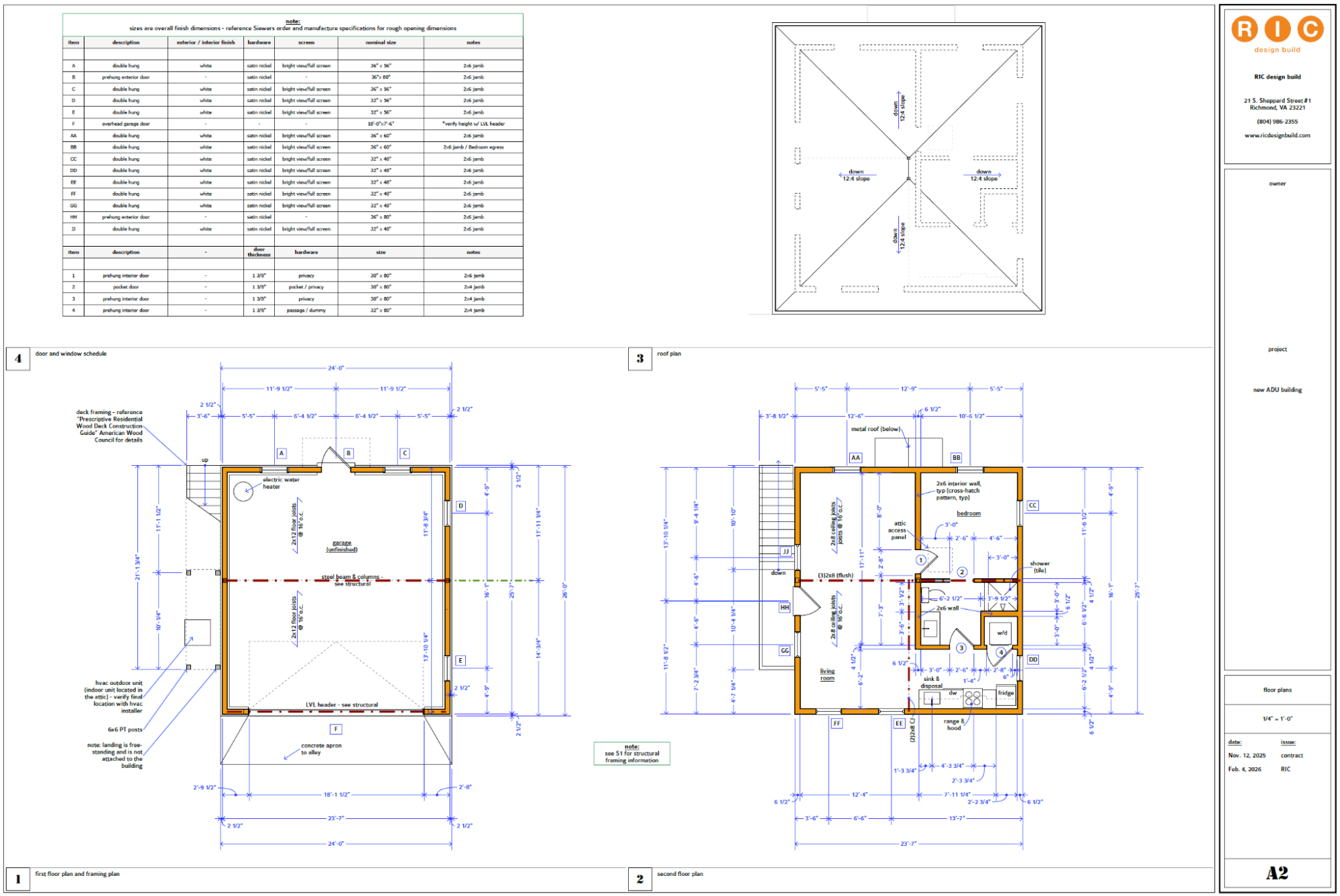
Floor plans of the ADU - the 2nd floor plan in the lower right hand corner. The ADU space includes a bedroom, full bath, laundry closet, small kitchen and a living room.
What sets this detached garage apart is the design. We started with the traditional foursquare style, and made the two structures look like they belonged together. And if we were already building a garage, what else was possible with this project? When we started asking questions, so many possibilities opened up.
The Foursquare's architectural character, which is very symmetrical with nice proportions, gave us a great starting point. Materials were carefully chosen to coordinate with the existing structure without being a carbon copy.
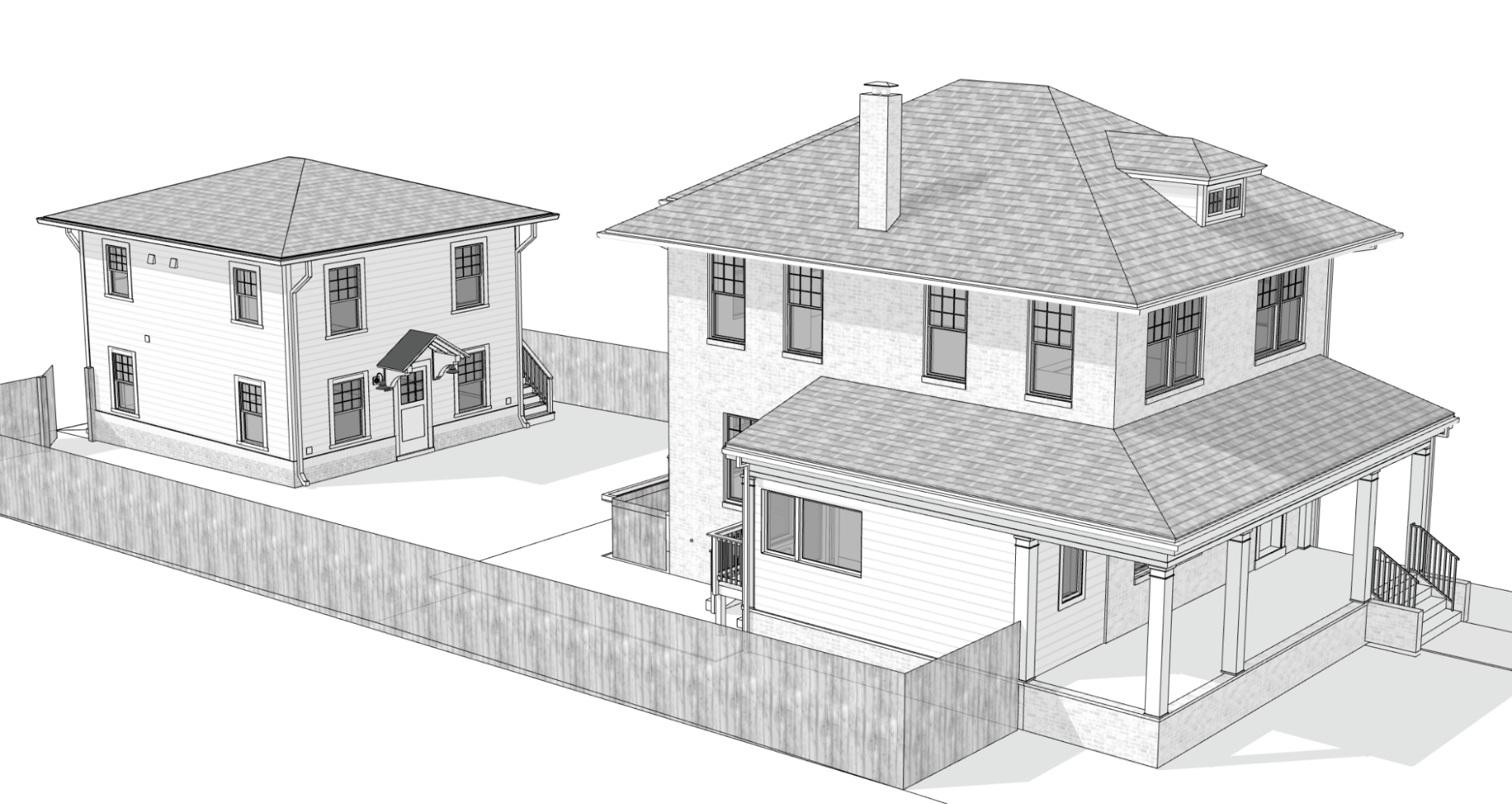
The ADU coordinates with the main structure without being a carbon copy
The ADU occupies the full second floor of the garage building. At roughly 500 square feet, this contained living space includes a bedroom with natural light and good closet space, a full bathroom, a laundry closet, a small kitchen, and a separate living room.
The functionality of the garage below speaks for itself. Two spots of off-street parking, let alone covered and secure parking, are the kind of equity you can’t get any other way in the city.
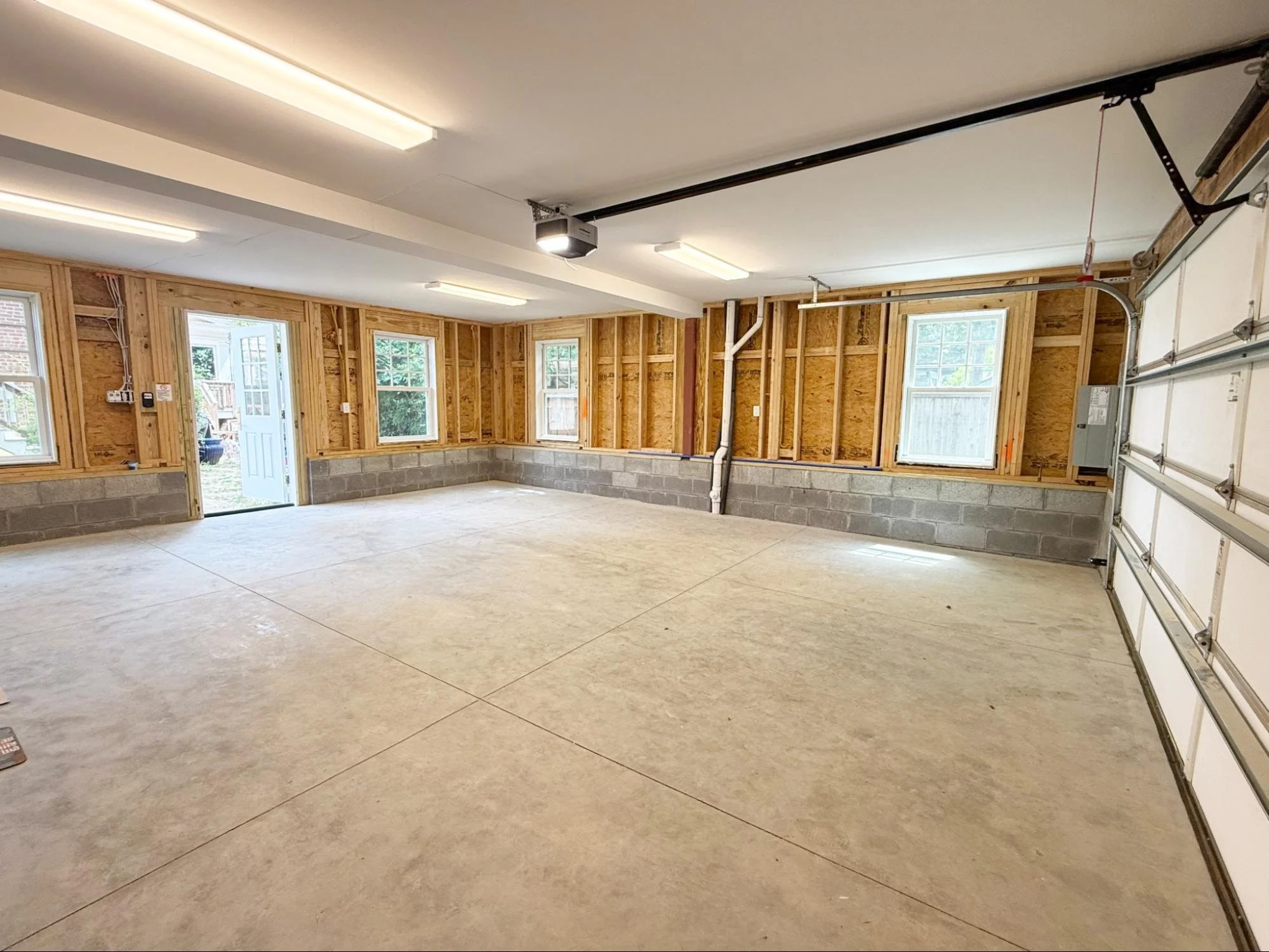
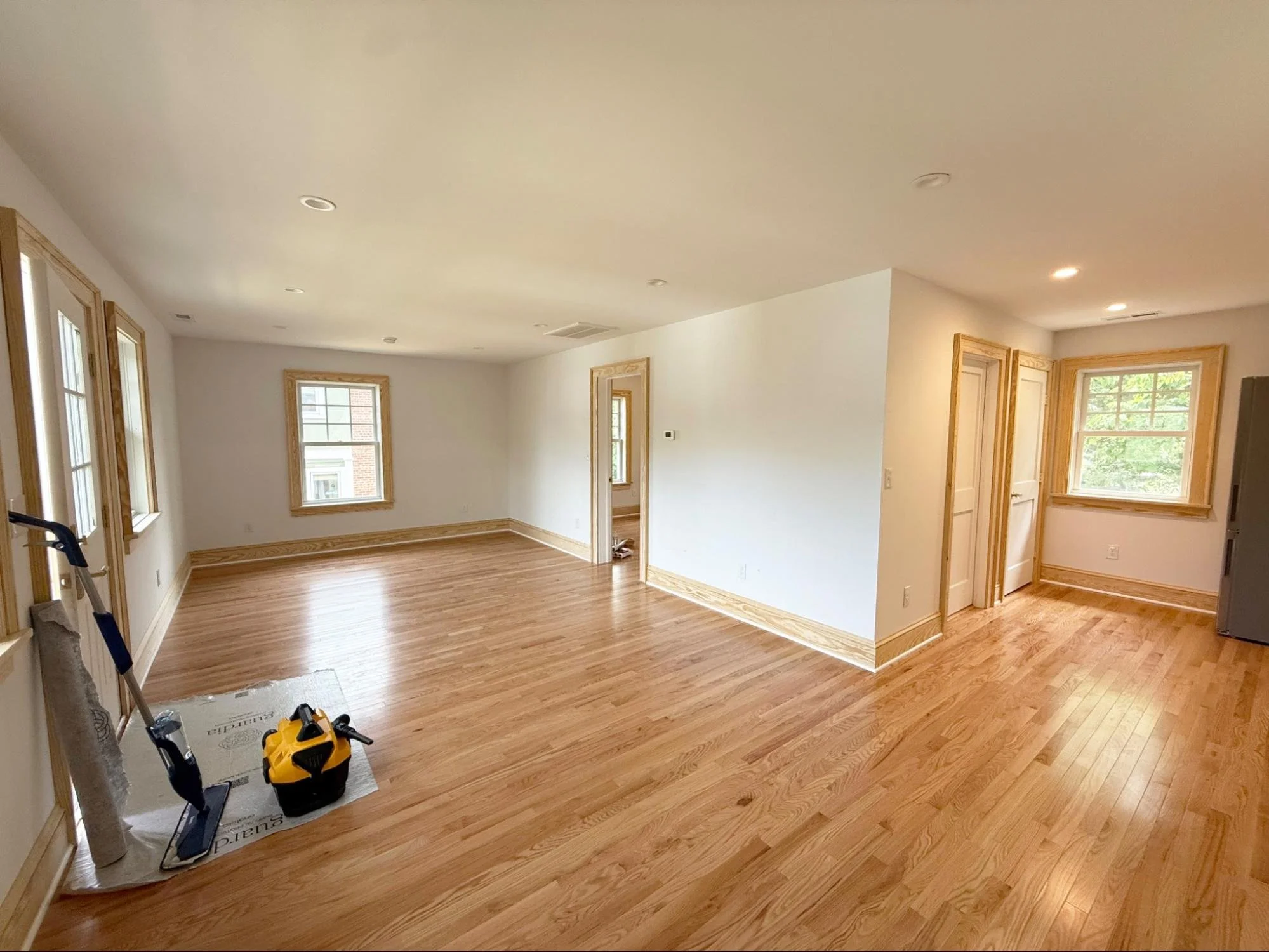
This project is just nearly finished with only final prep touches needed such as paint and some cabinetry. Landscaping will also help to pull the whole property together.
Good ADU Design
In our opinion, the way Richmond (and eventually the whole state) should move forward with these new property zoning codes, is by treating them with the same respect as you would the primary structure. A well-designed ADU should do three things simultaneously: serve its function, respect the character of the existing home, and respect the neighborhood it sits in.
Richmond residents understand that last item especially. Our city’s unique neighborhoods have character that’s been accumulated over time. New construction on infill lots can either reinforce that character or chip away at it. So ADUs don’t need to be showpieces, they just need to be appropriate to where they’re being built. Good proportions, intentional material choices and making a coherent relationship between structures will help improve neighborhoods as more and more families find ways to make those properties work for their lives.
The other design challenges of ADUs are the nuts and bolts. Small spaces require precise and smart design. Every square foot needs to work hard. Storage has to be considered carefully, natural light needs to be accounted for, as does the flow of the interior space and the exterior flow between structures. This is harder to do with 500 square feet than it is with 2,000 square feet. We think this project is a shining example of how to do an ADU right because it takes all of these things into account, while also improving this family’s lifestyle, allowing them to stay in an older, historic home they love.